Pakistan's Economic Challenge: Low Tax Rate and the Need for New Reforms
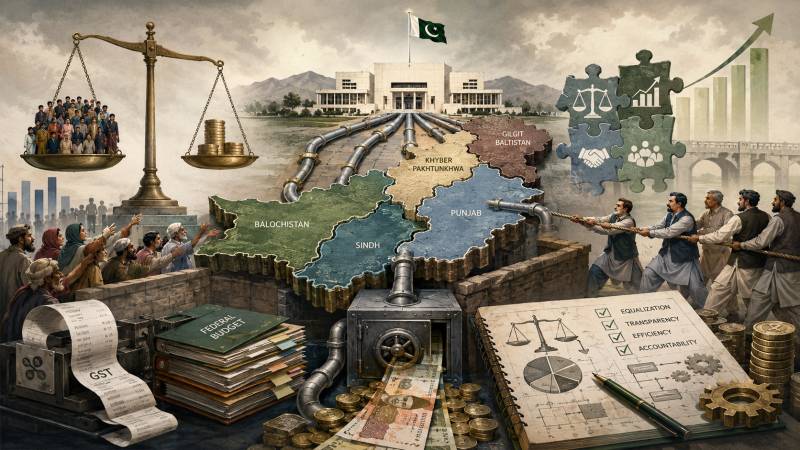
Pakistan's economy is currently at a critical turning point where the country faces major challenges for financial stability. According to recent economic reports, Pakistan's tax collection rate, i.e., the 'tax-to-GDP ratio,' is still between 9 and 10 percent, which is significantly lower compared to other South Asian countries.
Economic experts state that this low tax rate is a major obstacle to the country's development. When the government does not collect enough revenue through taxes, it has to rely on loans to provide public projects, education, and healthcare facilities. To address this situation, there is a felt need for changes in the country's financial structure.
An important aspect of this issue is the performance of provincial governments. According to reports, the provinces appear to be lagging in generating their own sources of income. Most provincial governments rely on funds received from the federation and are not intensifying efforts to collect taxes on their own. According to economic experts, provinces should focus on sectors such as agricultural tax and property tax to increase their revenue.
Suggestions are also emerging to reconsider Pakistan's current financial system, known as the 'NFC Award.' Experts believe that the distribution of funds from the federation alone is not enough; rather, there should be a system in which provinces are encouraged to increase their own revenue. This would reduce the burden on the federal government and create balance in the economy.
Finally, bringing transparency and improvement to the tax system is indispensable for Pakistan's economic survival. If the tax net is widened and provinces fulfill their responsibilities, Pakistan can move out of the debt burden toward self-reliance. These measures will not only support the economy but also improve the standard of living for ordinary citizens.