Kidney Disease and Bleeding Issues: A New Medical Study
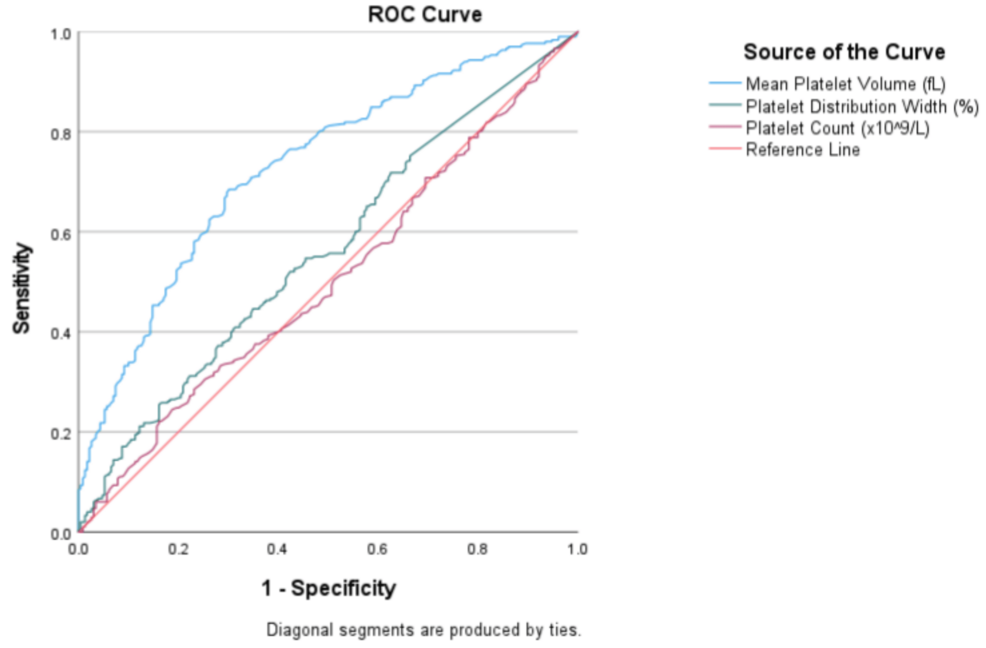
A recent medical study has examined the link between chronic kidney disease (CKD) and bleeding symptoms. The primary objective of this research is to understand how kidney disease affects patients' blood cells, specifically platelets. Experts are considering whether the size of these blood cells can be used to predict a patient's condition.
Platelets are small blood cells that help clot blood and prevent it from flowing in the event of an injury. 'Mean Platelet Volume' (MPV) is a measure that indicates the average size of these cells. According to medical experts, the size and number of platelets play a crucial role in controlling blood flow in the human body.
During this study, patients suffering from chronic kidney disease were examined. It is generally observed that patients with kidney disease have a higher risk of developing bleeding problems. Experts attempted to determine whether there is a direct link between changes in platelet size and bleeding symptoms.
The study results show that the performance of platelets in kidney patients differs from that of healthy individuals. In some cases, bleeding symptoms were observed in patients despite having a larger platelet size. This unusual situation is referred to in medical terms as a 'discordant hemostatic profile,' which can pose a challenge for doctors during treatment.
Experts state that such research is essential for the better treatment of kidney patients. By understanding platelet behavior, doctors will be able to develop more effective strategies in the future to protect patients from serious medical issues like bleeding. This study has provided new insights into understanding the complex relationship between kidney and blood diseases.