Casma: dengue control coverage does not exceed 46%
Published
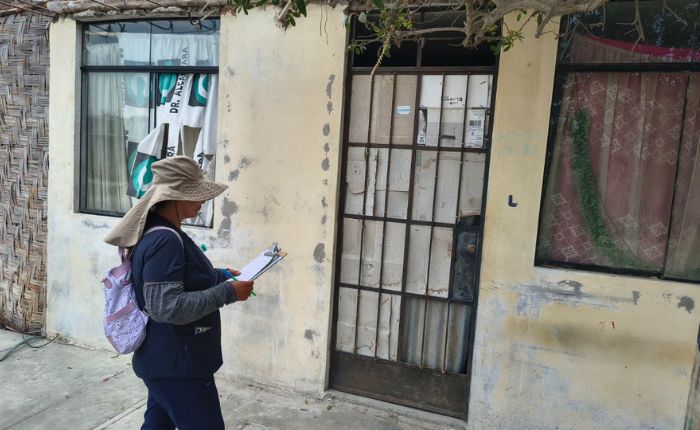
The larval control drives against dengue did not exceed 46% in the district and province of Casma, in the Áncash region. The information was made public by the local health authority.
Larval control is one of the main actions to prevent dengue. It involves checking homes and removing or treating containers with water where the larvae of the Aedes aegypti mosquito develop, which is the transmitter of the disease. That is why low coverage means that some homes were not checked during the campaigns.
Low coverage worries the authorities because dengue can cause high fever, headache, and pain in the muscles and joints, and in the most serious cases it can put patients' lives at risk. To improve the results, residents are advised to store water carefully, clean their containers, and report mosquito breeding sites when health staff visit their area.
So far, the available information does not detail the exact reasons why the drives did not reach greater coverage. Health authorities reported that prevention activities will continue in the area to protect the population of Casma from this disease.
Sources: Radio RSD
More Peru news
- Global alert: dengue is spreading at an alarming speed
- La Paz manages to contain measles outbreak and goes a month without new cases
- Cancer: which foods and cooking methods may increase the risk
- Two weeks of ultra-processed food could change how the brain responds to food
- Living a Sedentary Life and Eating Poorly Increase Health Risks in Peru
- Mpox cases rise in the Americas and health authorities call for stronger vaccination
- Screens at night can affect your sleep, says a sleep expert
- Healthy lunch: what cardiologists recommend to look after your heart