Discover a 1.3 billion light-year structure in deep space that challenges what we know about the universe
Published
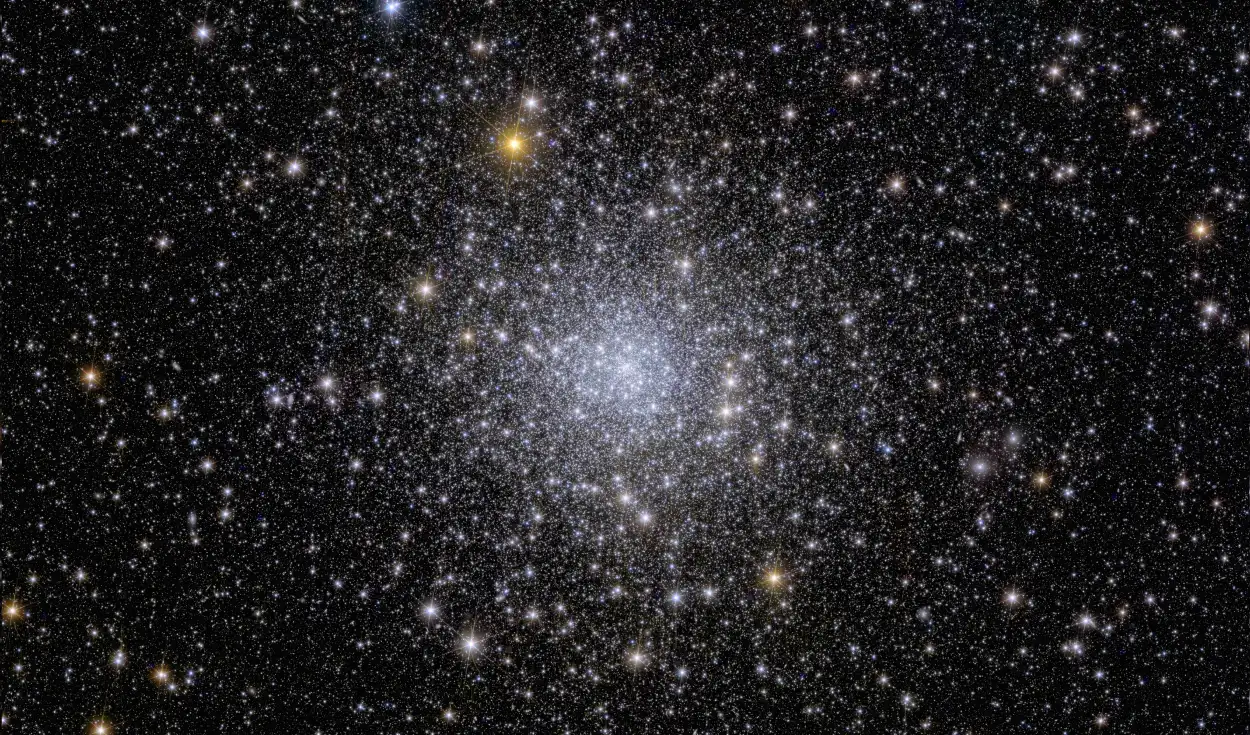
A new discovery in deep space is attracting the interest of scientists. According to information published by the Peruvian newspaper La República, a giant structure about 1.3 billion light-years in diameter has been identified. This finding could change the way we understand the universe on a large scale.
A light-year is the distance that light travels in one year, about 9.5 trillion kilometres. That is why a structure of this size is extremely large, much bigger than the Milky Way, the galaxy in which the Solar System is located. Astronomers study this kind of formation to understand how matter and galaxies are distributed across the cosmos.
The discovery is important because structures of such magnitude can test current theories about the origin and evolution of the universe. If a formation like this exists, scientists will have to explain how it could have formed in the time the universe has existed. For this reason, other researchers are expected to analyse the data and confirm the characteristics of the object.
So far, the finding is still at the stage of study and analysis. Future research will allow us to learn more details about the size, composition and origin of this structure. Although it does not directly affect daily life in Peru, this kind of discovery helps expand human knowledge about our place in the universe.
Sources: La República
More Peru news
- US Regulators Shut Down Indiana Bank With $6 Billion in Assets
- Keiko Fujimori will ask to use Chinese donation for El Niño to buy machinery
- Nidal Hasan will be executed in December 2026: the debate over the death penalty in the United States
- Tumbes will receive support from Lima specialists for dengue patients
- Heavy Rain Floods Piura and Affects 700 Families
- Global alert: dengue is spreading at an alarming speed
- La Paz manages to contain measles outbreak and goes a month without new cases
- Cancer: which foods and cooking methods may increase the risk