New study shows UHP46 reduces a resistant bacterium in milk
Published
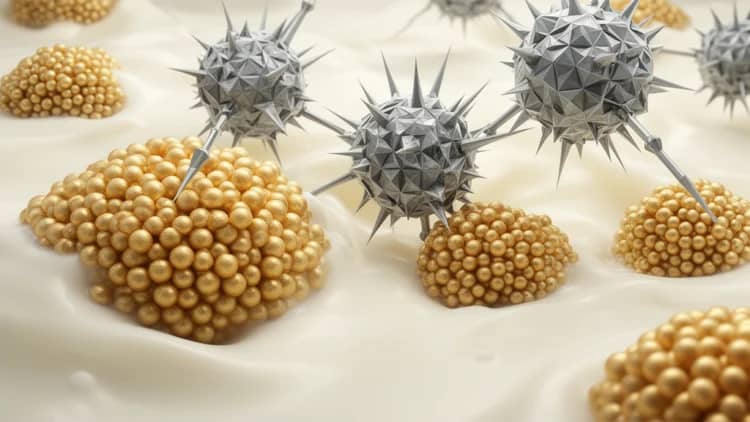
A study reported by the specialist publication Dairy News Today shows that a treatment called UHP46 can reduce the amount of a dangerous bacterium in milk. The bacterium is called multidrug-resistant Staphylococcus aureus, that is, a type of staphylococcus that does not respond to several common antibiotics.
According to the results, when the milk is kept at 4 °C, the treatment reduced the bacterial count by 3.7 log units in 24 hours. A reduction of this size means that the number of bacteria fell about 5,000 times. This finding is important because milk is often stored in the fridge, so the result relates to a very common storage condition.
Staphylococcus aureus can contaminate dairy products and cause food poisoning. When the bacterium is resistant to antibiotics, it becomes harder to control, which is why research into new ways to reduce it is relevant for food safety.
For now, the information available comes from a summary of the study and describes results obtained under specific laboratory conditions. To find out whether this treatment could be used in milk production, more research and additional tests would be needed.
Sources: Dairy News Today
More Peru news
- Global alert: dengue is spreading at an alarming speed
- La Paz manages to contain measles outbreak and goes a month without new cases
- Cancer: which foods and cooking methods may increase the risk
- Two weeks of ultra-processed food could change how the brain responds to food
- Living a Sedentary Life and Eating Poorly Increase Health Risks in Peru
- Mpox cases rise in the Americas and health authorities call for stronger vaccination
- Screens at night can affect your sleep, says a sleep expert
- Healthy lunch: what cardiologists recommend to look after your heart