The 2026 Venice Biennale: An Art Encounter Marked by Conflicts
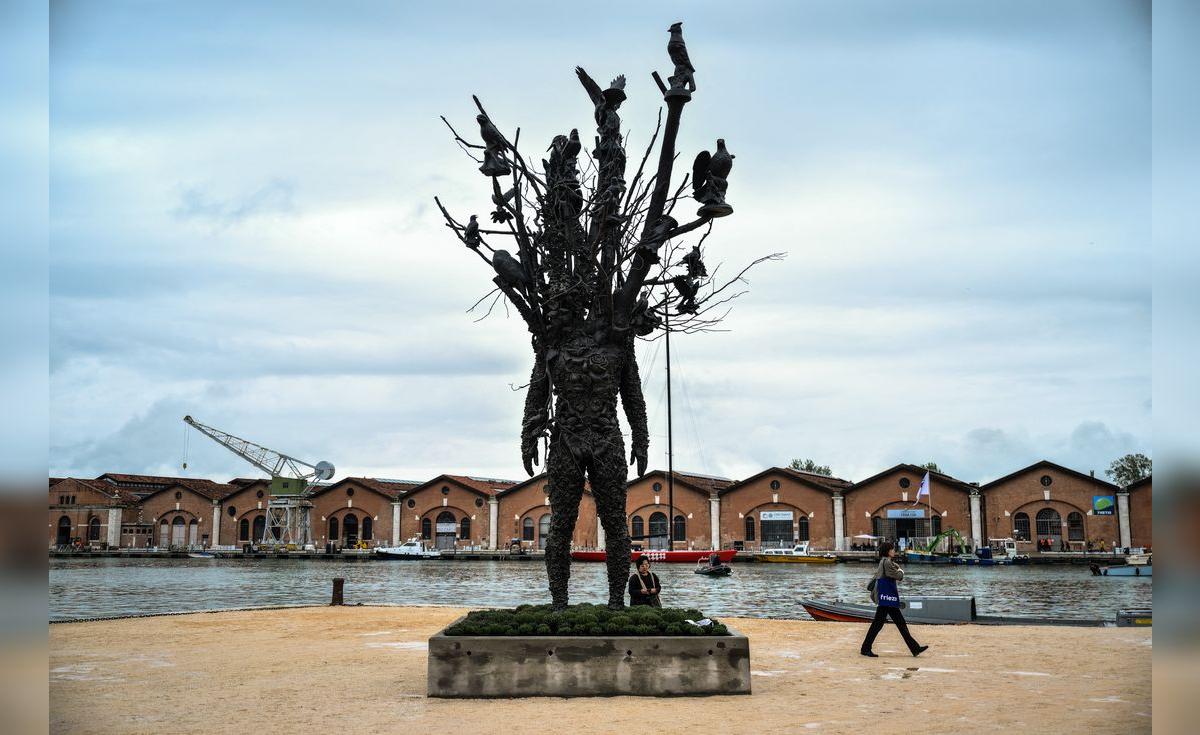
The 2026 Venice Biennale has begun with an atmosphere of tension and debate. This event, considered the most important in the world of contemporary art, celebrates its 61st edition in a complicated global context. Unlike previous years, this edition faces historical questioning that has generated significant controversy among critics, artists, and visitors.
One of the protagonists of this edition is the American artist Nick Cave. His work titled "Amalgam" has captured the public's attention during the pre-opening days in May. The piece stands out for its complexity and is one of many works attempting to reflect current societal issues through innovative artistic forms and diverse materials.
However, the conflict in this Biennale is not limited only to the exhibited works, but also to the organization and purpose of the event. Important figures in the art world, such as Koyo Kouoh, are at the center of discussions on how institutions should respond to political and social crises. Many experts point out that the Biennale is undergoing an unprecedented identity crisis.
External political tensions have directly affected the presentation of national pavilions. On this occasion, art has become a tool for protest and critical reflection. The organizers must balance the creative freedom of artists with the diplomatic pressures that arise in an event of this international magnitude.
Despite the difficulties and criticisms, the Venice Biennale remains a fundamental space for cultural dialogue. The organizers hope that, through these controversies, the public can reflect on the role of art in a divided world. The event will continue to be the focus of the art world for the coming months, inviting everyone to participate in this global conversation.