The invisible enemy that defeated Napoleon's army
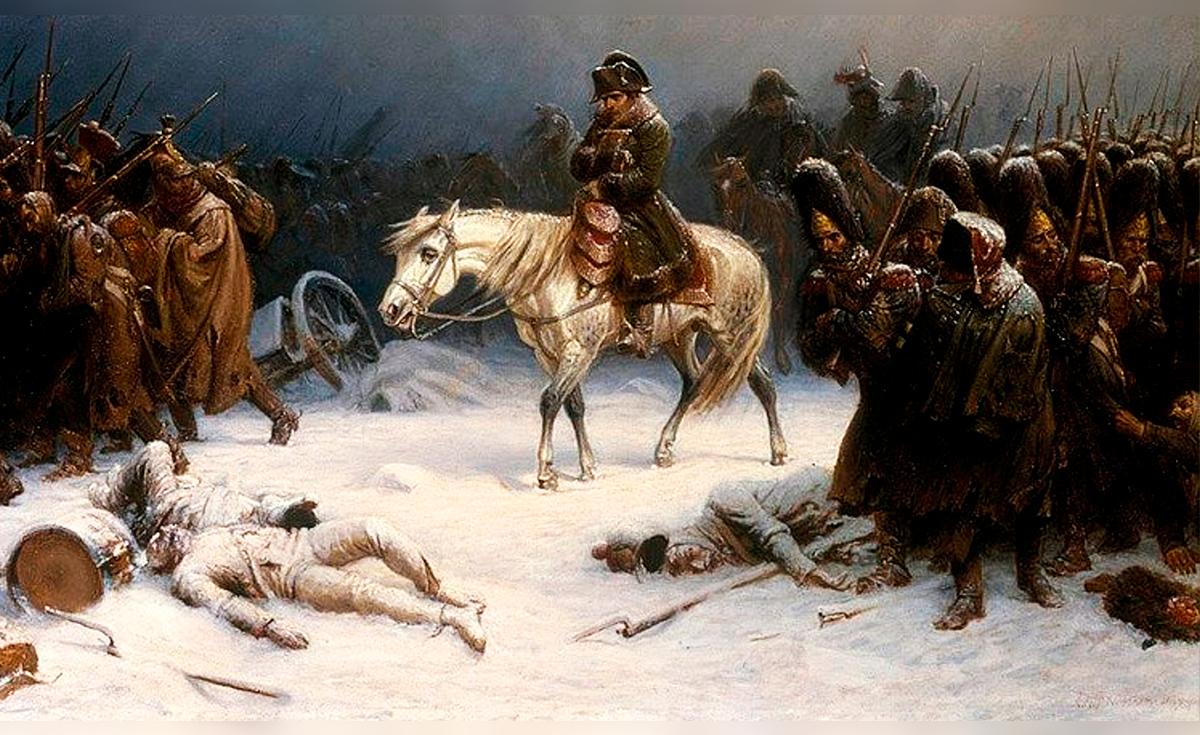
For a long time, historians believed that extreme cold and battles were the only causes of Napoleon Bonaparte's defeat in Russia. However, a new scientific study reveals that there was another decisive factor: diseases. A group of researchers analyzed ancient remains to discover the truth behind this historic military downfall.
Scientists used advanced technology to extract DNA from the teeth of 13 French soldiers. These remains belong to men who were part of the famous "Grande Armée" during its campaign. The results of the analysis showed the presence of various pathogens that seriously affected the health of the troops in a silent manner.
The study identified diseases such as typhus and trench fever, which are mainly transmitted by lice. In conditions of lack of hygiene, exhaustion, and hunger, these infections spread rapidly among the battalions. Many soldiers were so weakened by the bacteria that they had no strength to fight or to resist the harsh winter weather.
This discovery changes the traditional perspective of European history. Although the Russian winter was brutal, this "invisible enemy" caused more casualties than enemy bullets on the battlefield. The research demonstrates how microorganisms and epidemics can change the fate of the world's most powerful empires.
Finally, this finding highlights the importance of science in understanding the past. Thanks to DNA analysis, today we can better understand the real challenges faced by soldiers centuries ago. This study not only tells us about a military defeat but also about the constant relationship between medicine, hygiene, and human history.