Hearing problems affect less than 1% of newborns
Published
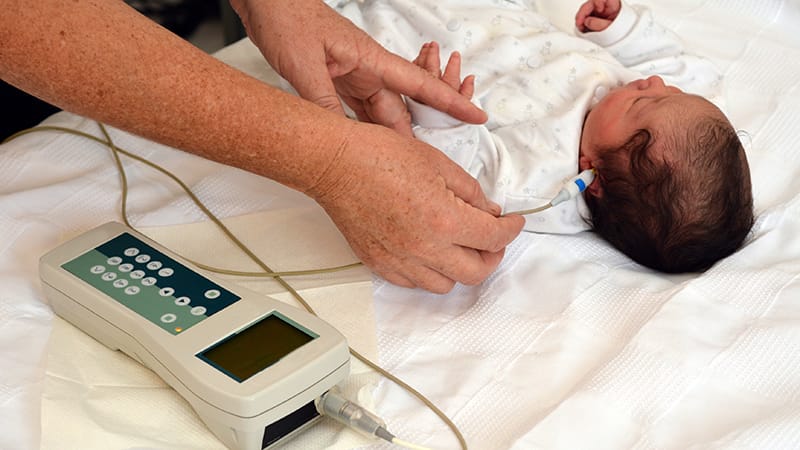
A recent study reports that the rate of abnormal results in the newborn hearing screening at a reference hospital was 0.70%. That means fewer than one in every hundred newborns tested had results that suggest a possible hearing problem.
The newborn hearing screening is a simple test given to babies in the first days of life. Its goal is to detect a possible hearing loss in time, because early detection allows evaluations and treatments to begin before the problem affects a child's language development and learning.
The results of the study highlight the importance of carrying out this type of test systematically in hospitals. Although the percentage of cases is low, every child with a hearing problem needs proper medical follow-up to confirm the diagnosis and decide on the measures that are needed.
In conclusion, the available information shows that hearing problems in newborns are uncommon, but they should not be overlooked. Specialists stress that newborn screening remains a key tool for protecting children's hearing health from the start of their lives.
Sources: Medscape
More Peru news
- Global alert: dengue is spreading at an alarming speed
- La Paz manages to contain measles outbreak and goes a month without new cases
- Cancer: which foods and cooking methods may increase the risk
- Two weeks of ultra-processed food could change how the brain responds to food
- Living a Sedentary Life and Eating Poorly Increase Health Risks in Peru
- Mpox cases rise in the Americas and health authorities call for stronger vaccination
- Screens at night can affect your sleep, says a sleep expert
- Healthy lunch: what cardiologists recommend to look after your heart