News Summary: Global Health, Earth Changes, and Current Affairs in South America
In international news, a serious Ebola outbreak in Central Africa is concerning health authorities. The World Health Organization (WHO) reported that more than a thousand cases have been recorded and at least 246 people have died. Medical teams are already in eastern Congo attempting to control the spread of this dangerous disease.
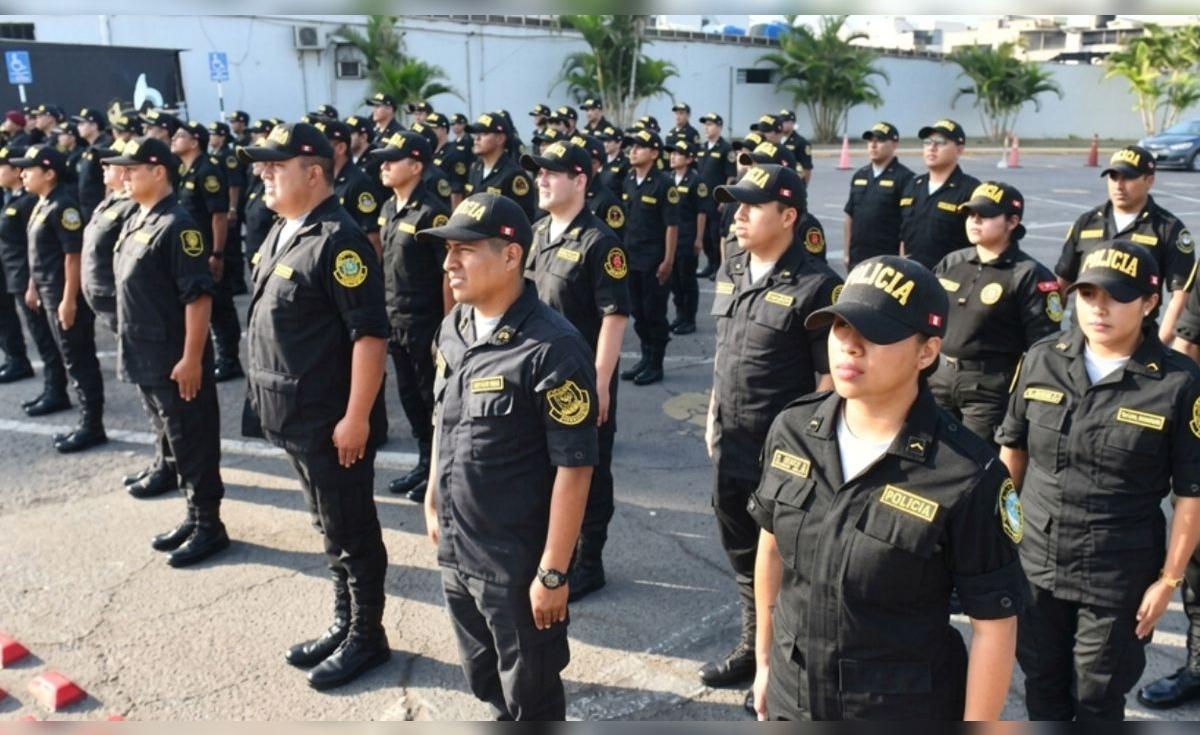
Regarding security in Peru, the Ministry of the Interior has authorized the purchase of more than 31,000 pistols without conducting a public tender. This decision reportedly favors an Israeli company and has sparked debate in the sector. At the same time, a recent study on crime in the country shows mixed data: although robberies and homicides have decreased, "grooming" or online child sexual harassment has increased, affecting thousands of minors.
The Peruvian economy also faces challenges and opportunities. The textile sector is suffering the consequences of the crisis in the Middle East, which has caused an 8% drop in its exports due to increased transportation costs. However, the industrial sector remains optimistic; according to a recent survey, 44% of business owners plan to make investments and 37% expect to hire more staff during the next quarter.
In the world of science and nature, researchers warn that the Earth has begun to rotate differently and days are getting longer. Although the change is only a matter of milliseconds, it is a concerning trend caused by climate change that has not been seen in millions of years. On the other hand, the amazing migration of the peregrine falcon to Peru is highlighted; this bird is the fastest animal in the world, capable of reaching 386 km/h during its hunting maneuvers.
In the southern region of the continent, a magnitude 5.8 earthquake shook central Chile this Sunday. Fortunately, Chilean authorities reported that no personal injuries or interruptions to basic services were recorded. Meanwhile, in Peruvian politics, diplomat Manuel Rodríguez Cuadros clarified that Antauro Humala is not part of the Juntos por el Perú coalition, although he confirmed that dialogues exist with other political leaders for future alliances.
Finally, in sports, the Colombian national team now knows its path for the 2026 World Cup. Under the direction of Néstor Lorenzo, the Colombian team has already defined its schedule and its rivals for the tournament. The team arrives with high expectations and is considered one of the favorites in its group to advance in the international competition.