Artificial intelligence in Polish industry: how to move from tests to real profits
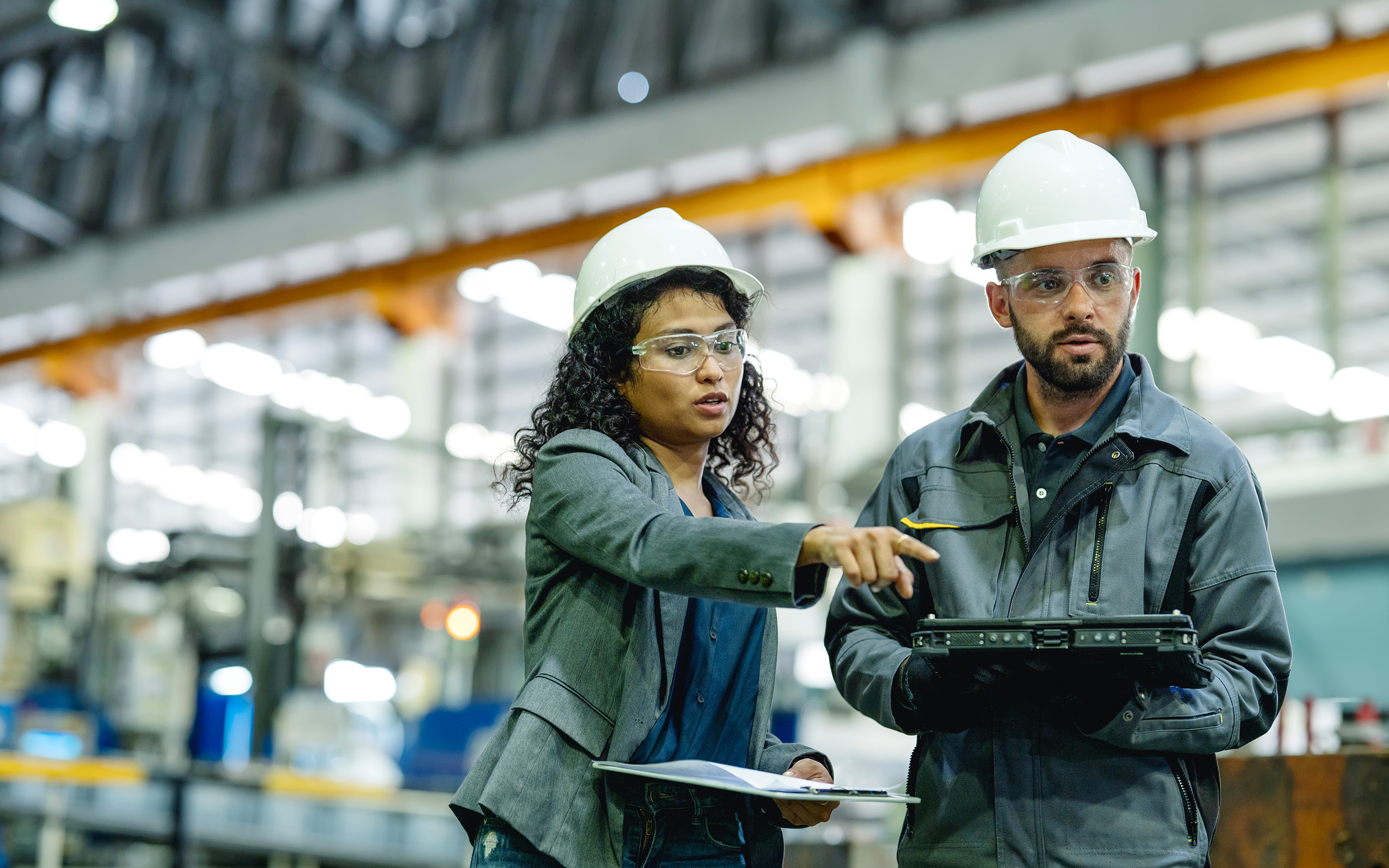
Artificial intelligence is becoming a key element of the modern economy, including in Poland. Many manufacturing companies are making their first attempts at implementing advanced technologies, but these often end at the stage of isolated experiments. The challenge for entrepreneurs now is to move from theoretical assumptions to daily, effective work using AI.
Experts from Capgemini point out that the biggest problem at present is the so-called "operational gap." This means that many factories have ambitious plans for automation but are unable to fully utilize the potential of artificial intelligence on a plant-wide scale. For technology to bring real benefits, it must become a permanent element of production processes, rather than just a short-term research project.
Scaling AI solutions in industry allows companies to react faster to market changes and better optimize costs. Thanks to intelligent systems, enterprises can more accurately predict machine failures or manage supply chains. For the Polish industrial sector, which is an important pillar of the economy, this is an opportunity to increase competitiveness on the international stage.
In summary, the future of Polish manufacturing depends on the skillful combination of technological ambition with daily practice. Companies that learn to transform individual innovations into permanent operational standards will gain a significant advantage. The key to success is therefore not just the technology itself, but above all the strategy for its implementation into the structure of the entire company.