The problem of disinformation in Poland: most of us believe in fake news
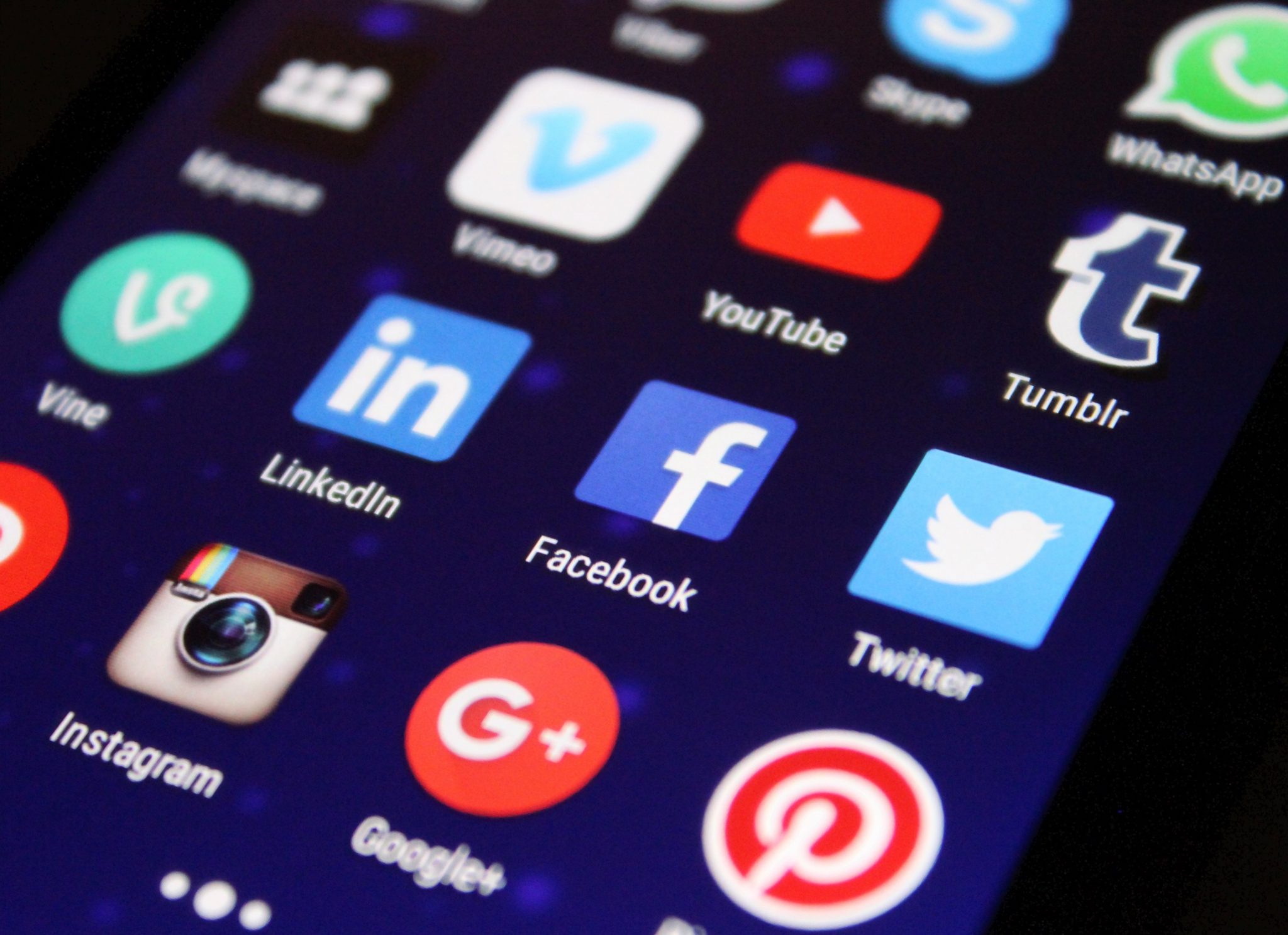
In the digital age, social media has become the primary source of information for millions of Poles. Unfortunately, along with easy access to content, a serious threat has emerged in the form of disinformation. The latest data indicates that as many as 91 percent of Poland's residents have admitted to believing at least one piece of false information, or so-called fake news.
Cybersecurity experts warn that false narratives are being created in an increasingly professional manner. They often exploit strong emotions, such as fear or anger, to prompt users to quickly share content without checking it first. Such actions are aimed not only at misleading people but also at polarizing society.
Most often, false information concerns highly controversial topics, such as politics, health, or the international situation. Many of these pieces of content are prepared in such a way that they look like real press articles or official announcements. As a result, even people who consider themselves media-literate can easily fall victim to manipulation.
Specialists emphasize that the key to fighting disinformation is education and a critical approach to the content we read. Before we share information on social media, it is worth checking its source and verifying it through several independent news outlets. Fact-checking is becoming one of the most important digital skills for every citizen today.