Brain signals could help people with paralysed muscles regain independence
Published
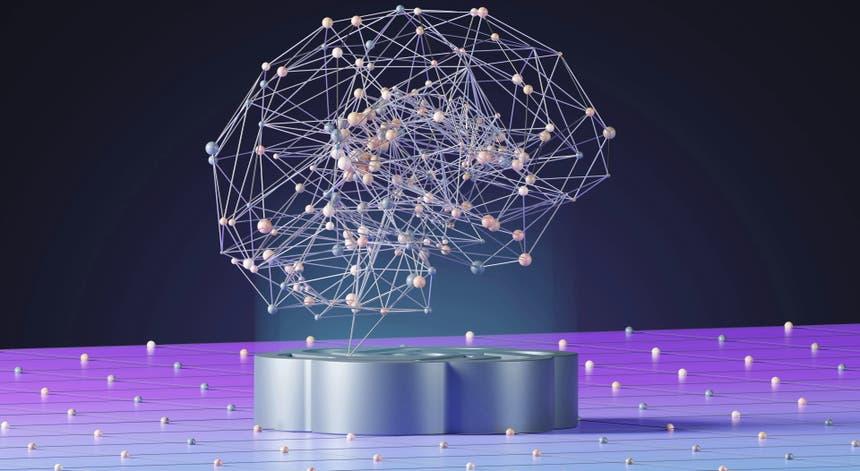
A team at the Champalimaud Foundation in Lisbon is developing a scientific study that could change the lives of people with paralysis. The project uses sensors placed on the skin to read the brain's nerve signals. These signals are then turned into commands that reach the muscles.
The main idea is to help patients regain some independence in their daily lives. When an injury or an illness interrupts the connection between the brain and the muscles, the person can no longer move their body, even when they want to. With this technology, the brain's signals are captured and used to stimulate the muscles, which may allow new movements.
The sensors are placed on the skin, so no surgery is needed to use them. This feature is important, because it makes the method simpler and less invasive. The researchers are still studying how the system works and what results it may give in the long term.
This study is another example of the neuroscience research being done in Portugal. It is not yet certain when these solutions will be available to patients, but the initial results are being followed closely by the scientific community.
Sources: RTP
More Portugal news
- Jardim Planalto receives campaign to fight dengue this Saturday
- Novembro Azul: prevention and care for men's health in the spotlight
- Covid-19 cases keep rising in Brazil, according to Fiocruz
- Minas Gerais signs letter of intent for management of Governador Valadares Regional Hospital
- Hospital of the Federal District, in Brazil, takes part in international neurology study
- Lack of iron can affect the body before it causes anaemia
- Stroke and heart attack: knowing how to recognise the signs can save lives
- Diet or exercise? A study looks at what helps people live longer most