Time spent in traffic: How Romania compares to the rest of Europe
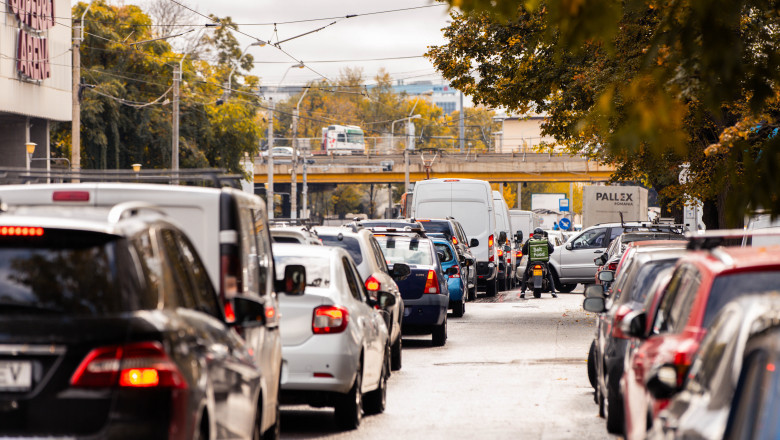
Residents of major cities in Europe spend, on average, tens of minutes each day getting to work. This issue of heavy traffic affects the quality of life and employee productivity, becoming a subject of major interest for authorities and citizens alike.
In Romania, the situation is often difficult, especially in cities such as Bucharest, Cluj-Napoca, or Iași. Road infrastructure has not always managed to keep pace with the increase in the number of personal cars. As a result, Romanian drivers lose a lot of time in traffic jams daily, which leads to a high level of stress and greater pollution in urban areas.
By comparison, countries like the Netherlands have approached this challenge differently. Although population density is high, the Dutch have invested heavily in bicycle infrastructure and in efficient, punctual public transport systems. This strategy allows many citizens to avoid road congestion, offering them a faster and healthier alternative for their daily commute.
The differences between Romania and Western European states are not just about the number of cars, but also about how public transport is organized. While in many European cities there are lanes dedicated exclusively to buses and trams, in Romania, public transport is often stuck in the same heavy traffic as private cars, which discourages people from giving up their personal vehicles.
In conclusion, reducing time spent in traffic remains a major challenge for Romania. The experience of other European countries shows us that the solution does not lie only in building new roads, but above all in developing faster, greener, and more predictable transport alternatives for all citizens.