Two decades since Romania's accession to the European Union: A critical assessment of missed opportunities
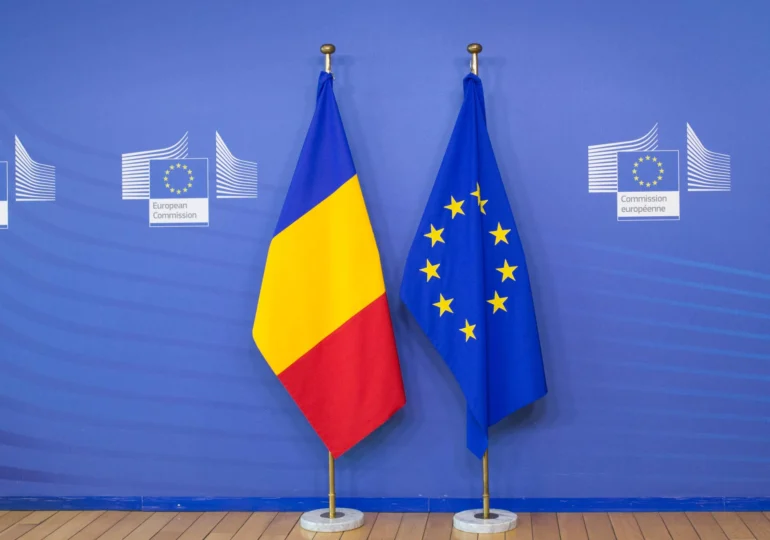
Romania is currently marking two decades since the beginning of the European integration process, a moment that has brought fundamental changes to the country's society and economy. However, the record of these years is viewed with reservation by experts, who analyze the efficiency with which the Romanian state has managed the resources and opportunities offered by its membership in the community bloc.
Vasile Pușcaș, Romania's former chief negotiator for accession to the European Union, recently offered a critical assessment of this journey. In a detailed analysis, he stated that our country has managed to capitalize on only 20-30% of the potential and opportunities that the European Union has made available over the last two decades.
According to the expert, the main problems that hindered faster development were related to low administrative capacity and difficulties in implementing strategic projects. Although integration brought access to European funds and facilitated the free movement of citizens, Romania has not always succeeded in creating coherent public policies that would transform these advantages into sustainable long-term economic growth.
This analysis highlights the need for a deeper reform in how European resources are managed. Experts believe that in order to close the gaps with other member states, Romania must focus on the professionalization of the administration and better planning of priority investments in infrastructure and education.
In conclusion, the balance sheet of these 20 years remains a subject of intense debate in the public sphere. Although membership in the European Union has represented an essential pillar for Romania's stability and development, the lessons learned so far suggest that the future depends to a large extent on the authorities' ability to make much more efficient use of the remaining European opportunities.