Pfizer Blocks Romatsa's Accounts: What Does This Mean for Air Traffic in Romania?
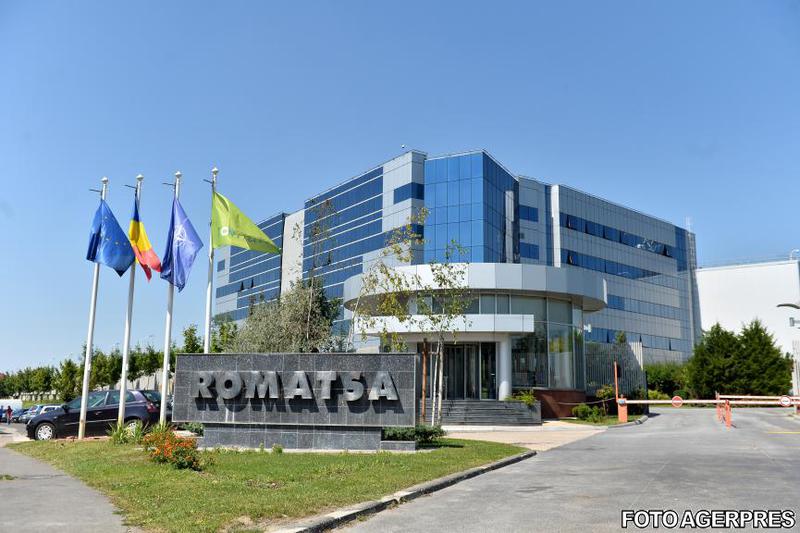
The pharmaceutical company Pfizer has requested the freezing of the bank accounts of Romatsa, the institution that manages air traffic in Romania. This measure, known as a garnishment, was imposed through a judicial officer. Romatsa is a strategic company, holding a monopoly over aircraft guidance services in Romanian airspace.
The decision comes in the context of a legal conflict between the Romanian state and the pharmaceutical giant. Pfizer is requesting the payment of sums of money related to contracts for COVID-19 vaccines. Since payments were not made according to the contract, the company decided to act to recover the debts by freezing the accounts of certain state institutions.
Romatsa plays an essential role in flight safety in the region. Without this institution, aircraft cannot operate safely at the country's airports or through national airspace. The freezing of accounts could create financial difficulties for paying employee salaries and for maintaining the technical equipment necessary for air navigation.
Romanian authorities have reacted to this news and are looking for solutions to resolve the issue. Ilie Bolojan, an important political leader, announced that a legal response is being prepared to protect Romatsa's activity. The government's main goal is to avoid any blockage that could affect passengers or airlines transiting Romania.
Currently, state representatives are trying to find a legal way to lift the garnishment as soon as possible. Although the situation is tense, officials provide assurances that flight safety is not in danger at this time. However, this conflict highlights the complex legal challenges Romania faces in its relationship with major international suppliers.