Romania's political crisis: Internal challenges and the current geopolitical context
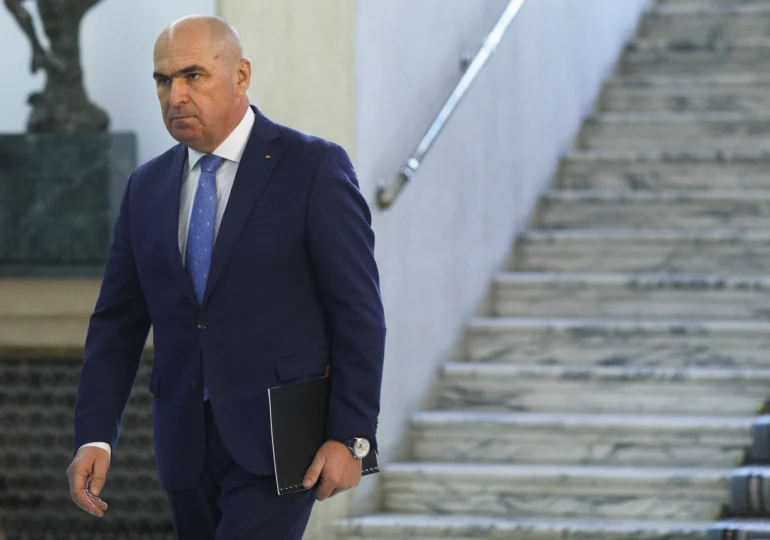
Romania is going through a period of political instability marked by changes in government leadership. Recently, discussions regarding the dismissal of the Government have called into question the stability of state institutions at a time when the country needs a clear and secure direction.
Political analyses suggest that this crisis will not end with the appointment of a new prime minister. Structural problems and tensions between political parties continue to affect the decision-making process, leaving room for uncertainty regarding future economic and social measures that directly affect citizens.
Externally, Romania is in a delicate position, being located on the front line of a major geopolitical confrontation between the European Union and external influences from the east. This situation puts pressure on the country's ability to protect its national interests and maintain a coherent foreign policy in the face of global challenges.
Experts warn that, in the absence of internal political cohesion, Romania risks becoming vulnerable to these external pressures. The ability of institutions to react effectively depends on the stability of the government and the ability of political leaders to put national interests above party disputes.
In conclusion, Romania's political future remains uncertain, and citizens are closely watching developments in the coming weeks. Overcoming this crisis will require not only a new government team, but also a solid political consensus to ensure the country's safety and stability in the current international context.