Political contrast in Europe: Stability in Italy, government uncertainty in Romania
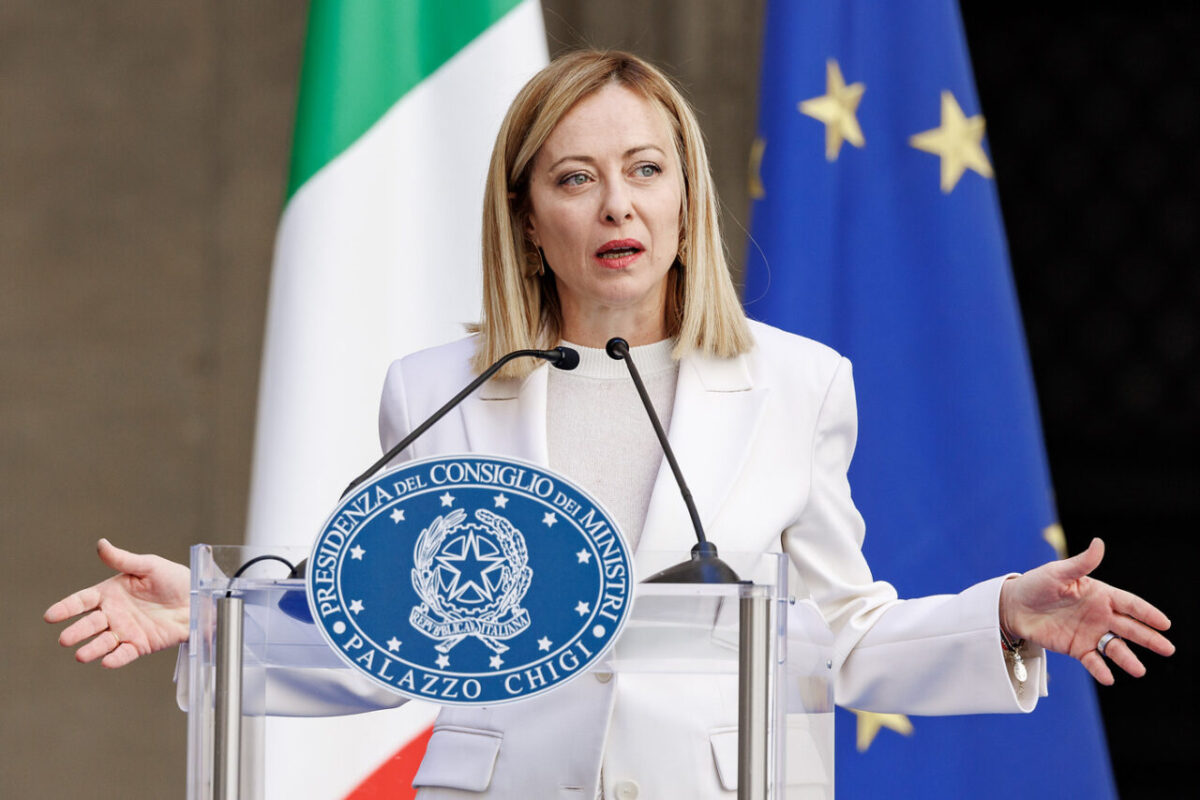
While the European political scene is undergoing constant changes, Italy has recently set a historic record for the longevity of a republican government under the leadership of Prime Minister Giorgia Meloni. This political stability offers an interesting perspective on how European governments are managing current challenges.
In direct contrast to the situation in Italy, Romania is facing a period of administrative uncertainty. Our country has been in a situation for four months where it does not have a government with full powers, a state of affairs that raises numerous questions among citizens and political analysts.
The lack of an executive with full authority can slow down the decision-making process and the implementation of necessary reforms. This prolonged transition period affects the state's ability to react quickly to current economic and social problems, putting pressure on public institutions.
Experts emphasize that governmental stability is essential for attracting investment and maintaining the trust of international partners. In the current European context, a government's ability to remain functional in the long term is becoming an important indicator of a country's democratic health.
It remains to be seen how the political situation in Romania will evolve in the coming period and whether it will be possible to install a stable government. Stability remains a priority objective for any state that wishes to consolidate its position within the European Union.