The history of the Legionary Movement and its impact on current Romanian politics
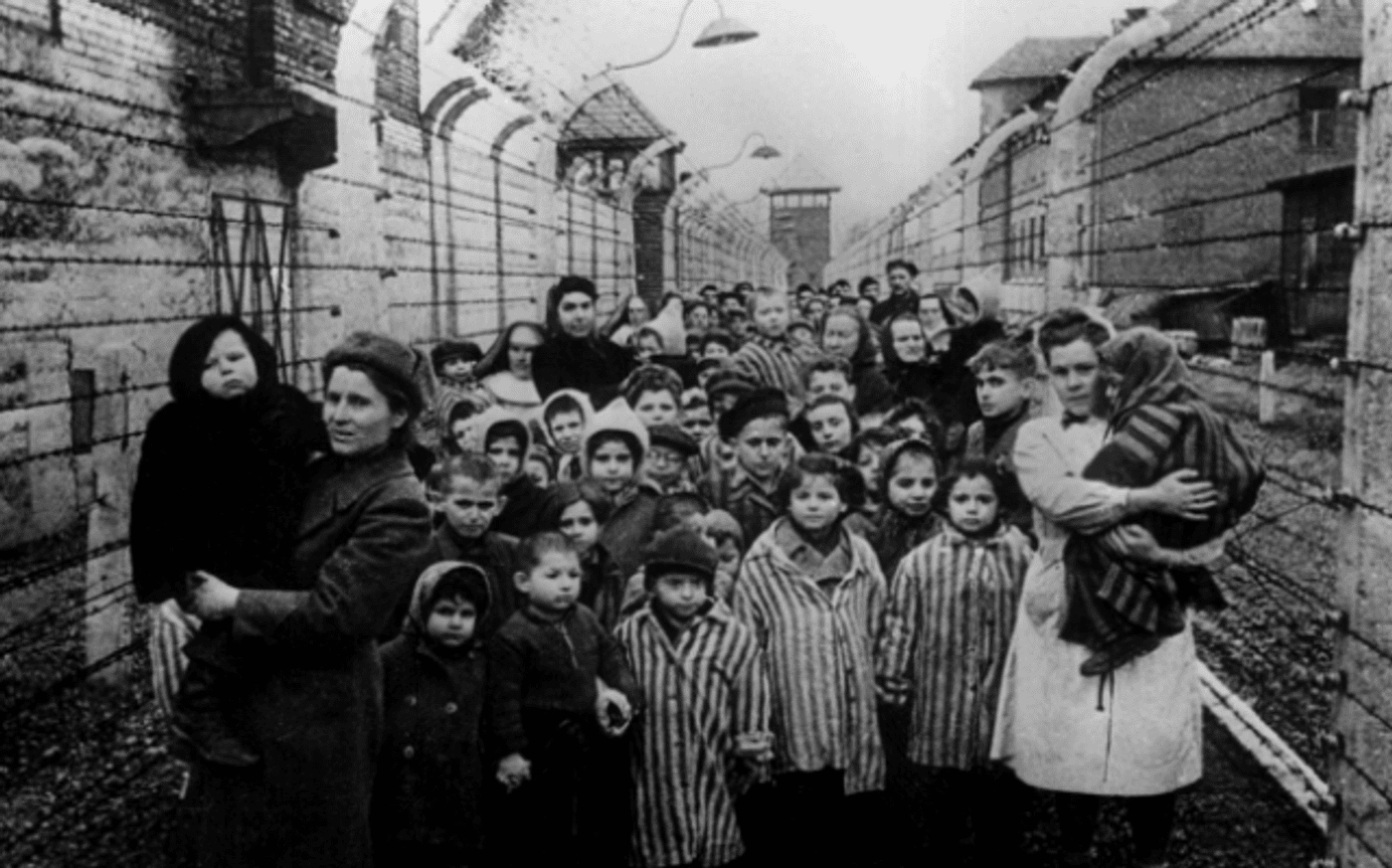
The Legionary Movement, also known as the Iron Guard, remains one of the darkest and most controversial periods in Romania's modern history. This political organization emerged during the interwar period and left its mark on Romanian society through its extremist ideology, violence, and radical nationalism.
Currently, discussions about this movement periodically reappear in the Romanian public sphere. Historians warn that ignoring or misidealizing these events can be dangerous for today's democracy. It is essential for new generations to understand the historical context in order to prevent the repetition of past mistakes.
Experts emphasize that the presence of extremist ideas in contemporary political discourse is a warning sign. Although today's social context is different from that of a century ago, rhetoric based on hatred and intolerance is considered a threat to the European values that Romania upholds.
Education remains the most important tool for combating extremism. Through the objective study of history, citizens can more easily identify modern forms of political manipulation and protect the stability of the country's democratic institutions.
In conclusion, collective memory plays a vital role in the evolution of a society. A critical analysis of the past, including painful chapters such as that of the Iron Guard, is necessary to ensure a future based on tolerance, respect, and the observance of fundamental human rights.