The future of transport: Autonomous cars could change the roads in Romania
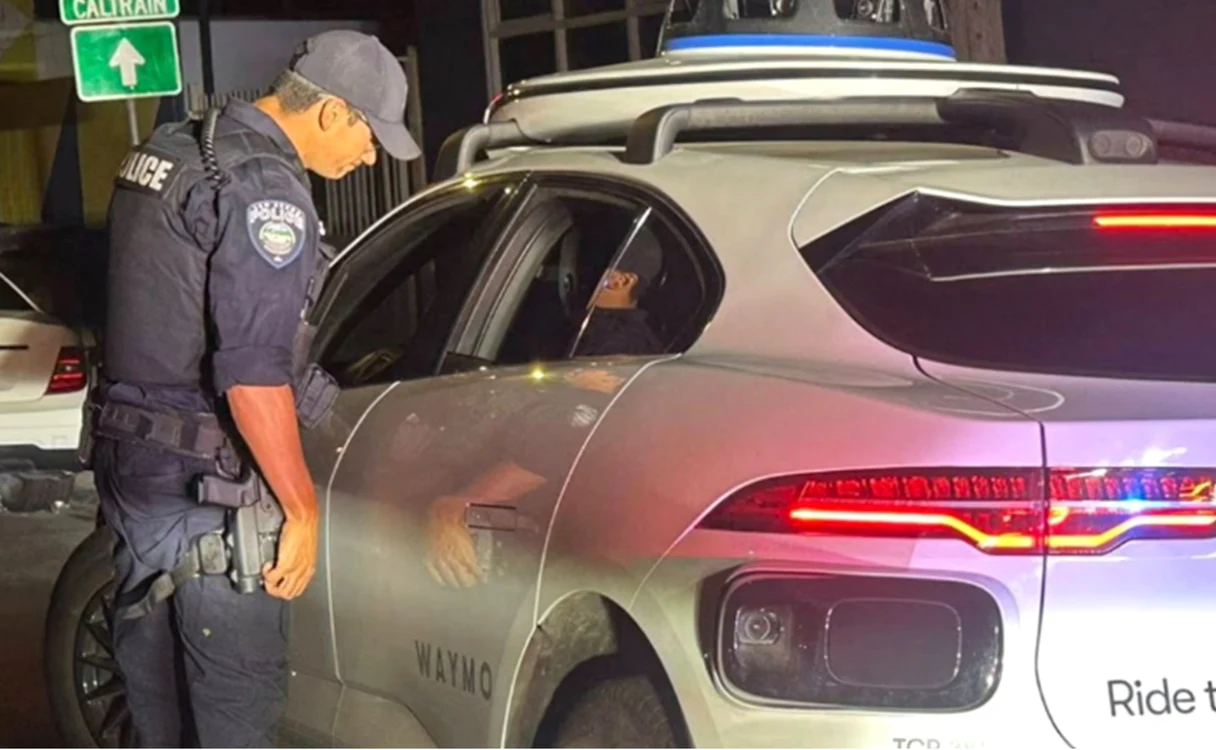
Autonomous vehicle technology is advancing rapidly in Europe, promising to change the way we travel. Although these vehicles are still in the testing phase in many developed countries, experts suggest that Romania could benefit enormously from their implementation, perhaps even more than states with advanced infrastructure, such as Germany.
Romania's main problem remains road safety. Our country constantly faces a high number of accidents on public roads, often caused by human error. Autonomous cars, equipped with advanced sensors and artificial intelligence, could significantly reduce the risk of these incidents by eliminating factors such as driver fatigue or inattention.
However, introducing these vehicles onto Romanian streets raises significant challenges. The current road infrastructure, sometimes marked by inadequate roads or poor signage, would need to be modernized to allow intelligent cars to correctly "read" the surrounding environment. There is also a need for clear legislation to establish responsibilities in the event of unforeseen situations.
In addition to safety, autonomous cars could help streamline traffic in large, congested cities such as Bucharest or Cluj-Napoca. Through constant communication between vehicles, they could optimize routes and reduce waiting times in traffic jams, thus contributing to a less polluted and more efficient urban environment.
In conclusion, the transition to autonomous transport remains a long-term goal for Romania. Although the technical and legislative challenges are great, the potential benefits for citizen safety and transport efficiency make this subject a priority for discussions about the future of mobility in our country.