History Under the Microscope: Discussions About the Legionary Movement in Romanian Politics
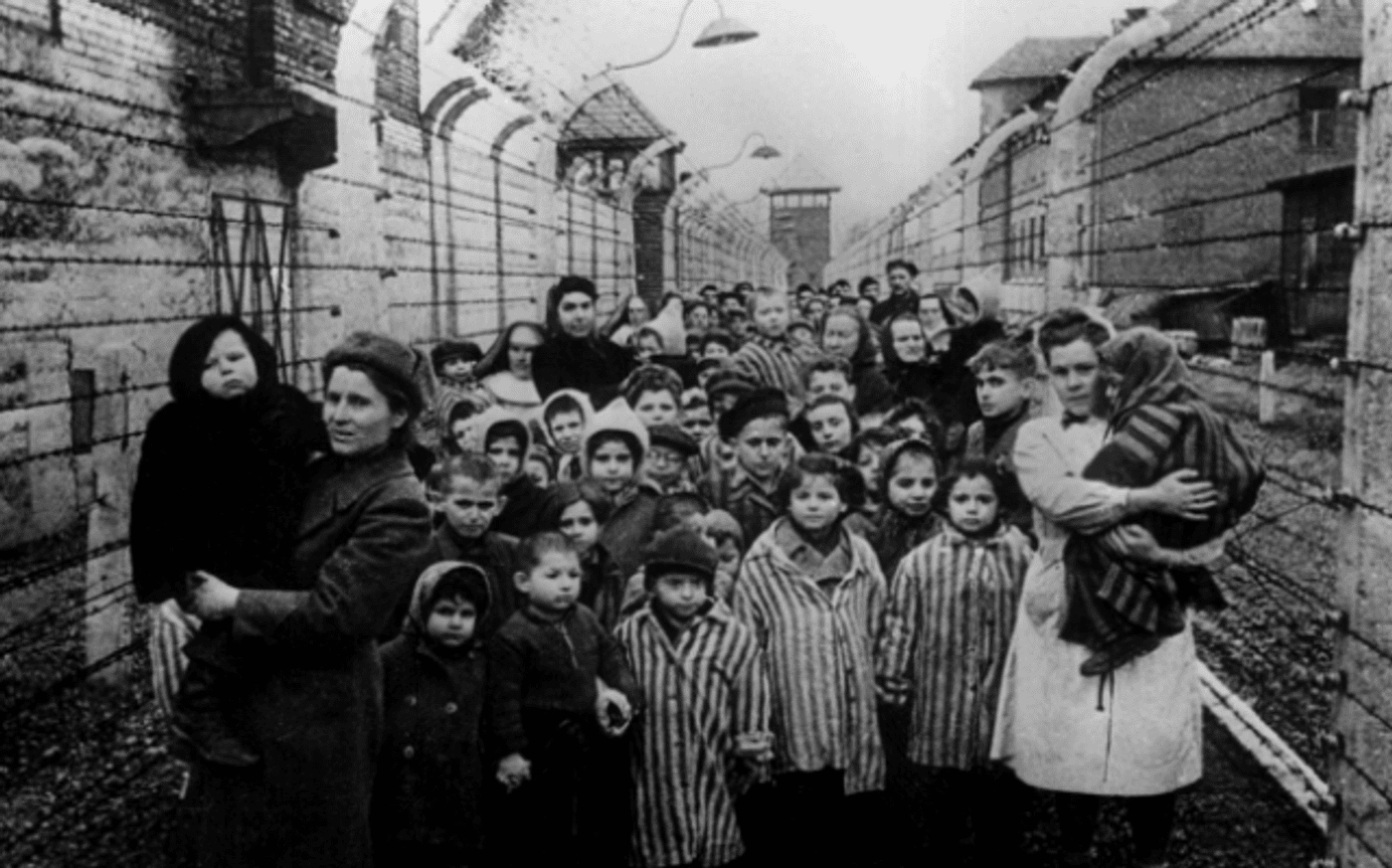
In recent weeks, discussions about a sensitive subject from the country's history have reappeared on the Romanian political scene. This concerns the Legionary Movement, also known as the Iron Guard. This organization represented one of the darkest periods of modern Romanian history, being marked by violence and extremism.
The Legionary Movement was a far-right organization, active during the interwar period. It promoted ultra-nationalist ideas that profoundly affected society at that time. Historians warn that ideologies of this type had serious consequences for democracy and human rights in the past.
Recently, some political analysts have observed that certain messages or symbols used in the public space resemble those from the interwar period. Although the current context is different from that of 80 years ago, the presence of these ideas in current political discourse causes concern among experts and civil society.
It is important to mention that Romanian legislation is very strict in this regard. Law number 217 of 2015 prohibits the promotion of Legionary or fascist symbols, uniforms, and ideas. These rules were created to protect democratic values and to prevent the resurgence of movements that caused suffering in history.
In conclusion, historical education remains an essential tool for Romania's future. A correct understanding of past mistakes helps citizens, especially young people, to recognize and avoid extremist discourse. A healthy democracy is based on tolerance, dialogue, and respect for the laws of the state.