First test lost in Parliament for the Niculescu Government: the motion against Minister Rogobete was approved
Published
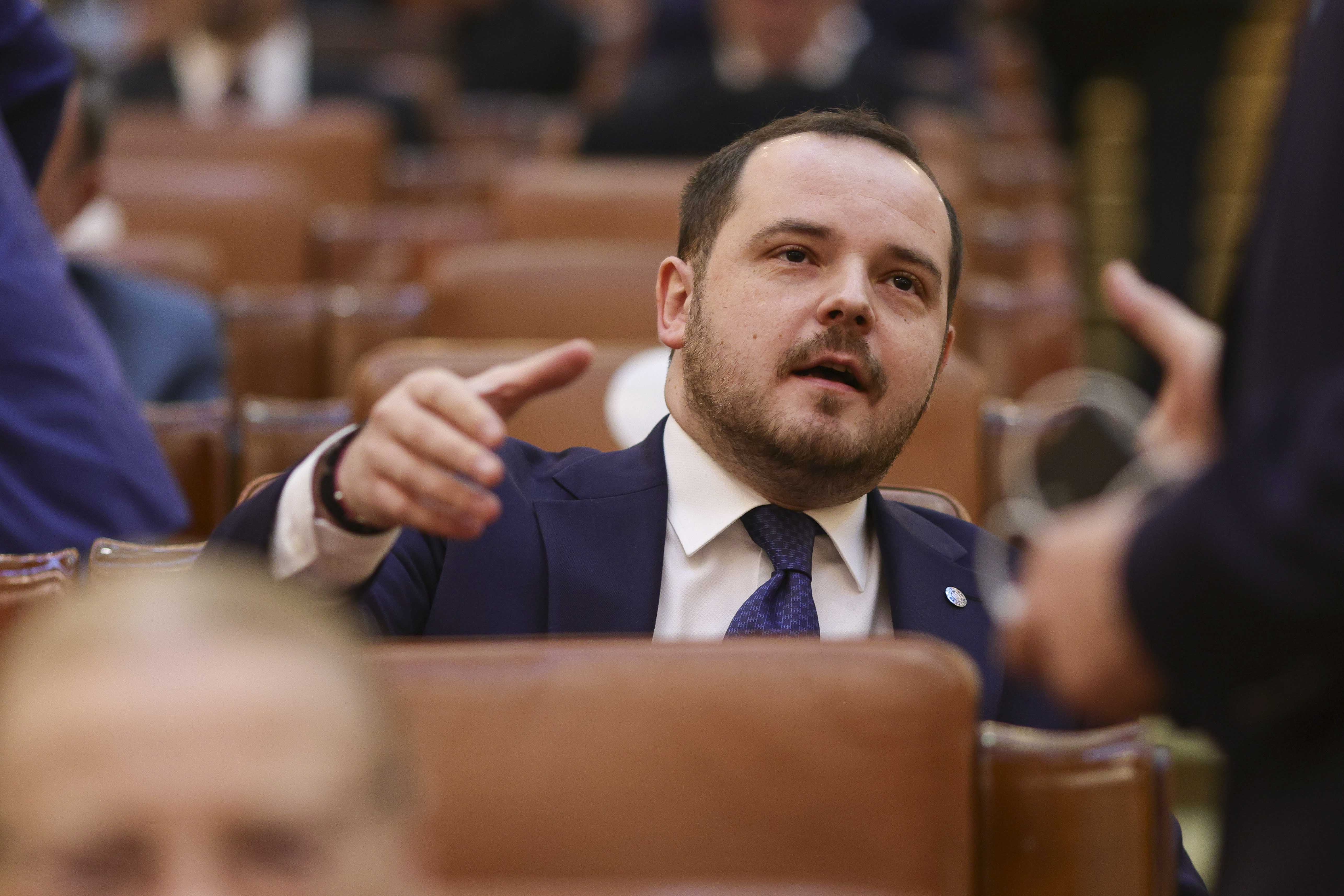
The government led by Niculescu has lost its first important vote in Parliament. The motion started by PNL and USR against Minister Rogobete was approved, which means the government did not manage to keep its position in this vote.
A motion is a document through which MPs express their opinion about the work of a minister. In a situation like this, the vote shows how much support the government has in Parliament. In this case, many observers considered the result an important signal for the new political majority, because it is the first time the government has lost a vote of this kind.
After the result was announced, some politicians reacted publicly. One comment that appeared in the press asked a direct question: "Are the AUR votes good now?" With this remark, it is suggested that the votes of the AUR party, which helped produce the result, are now accepted, even though they had previously been criticised or ignored by some of the parties involved.
The result of the vote may influence political discussions in the coming weeks. Analysts are now watching whether the government will make changes to its team or whether it will continue to work with the same parliamentary support. Citizens can follow the official statements and debates in Parliament to find out more details about how this situation develops.
Sources: HotNews.ro
More Romania news
- Dengue fever cases in Ho Chi Minh City have increased almost fivefold in the last ten years
- Early-stage cancer: why early diagnosis matters
- A 35-year-old man with kidney failure: doctors point to the cause of a harmful habit
- Doctors warn: exercising without preparation can be dangerous
- Scleroderma and lung involvement: why early diagnosis and monitoring are essential
- Vaccines and disease outbreaks: what the situation in 2025 shows
- Depression could be an early sign of Alzheimer's disease
- The surprising link between lithium and Alzheimer's disease, discovered by a Harvard team with a Romanian researcher