The History of the Legionary Movement: A sensitive topic in current Romanian politics
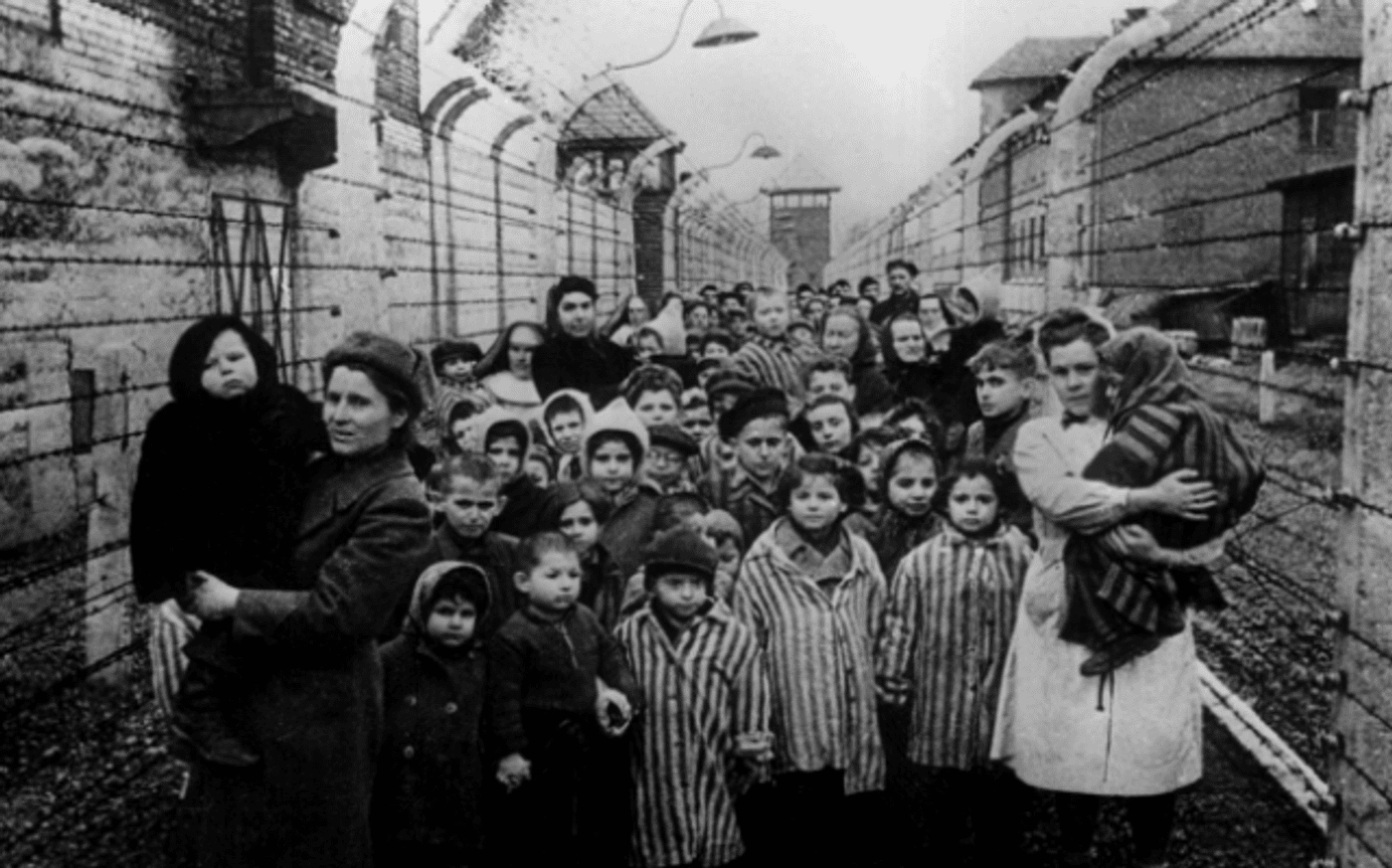
The Legionary Movement, also known as the Iron Guard, remains one of the darkest chapters in Romania's modern history. This far-right political organization was active during the interwar period and left deep scars on Romanian society through its violent and nationalist ideology.
Currently, discussions about this historical period have returned to the public eye, generating heated debates in the political sphere. Experts and historians warn that the use of Legionary symbols or rhetoric in current public discourse poses a danger to the country's democratic values.
Over time, Romanian authorities have adopted strict laws to prohibit the promotion of extremist ideologies and the cult of individuals guilty of crimes against humanity. Nevertheless, the challenge of educating new generations about the dangers of totalitarianism remains a priority for educational institutions and civil society.
In conclusion, an objective analysis of the past is essential to prevent the repetition of historical mistakes. Understanding the context in which the Legionary Movement emerged helps citizens identify and reject discourse that promotes hatred and intolerance in contemporary politics.