Political deadlock in Europe: The challenges parties face in forming governments
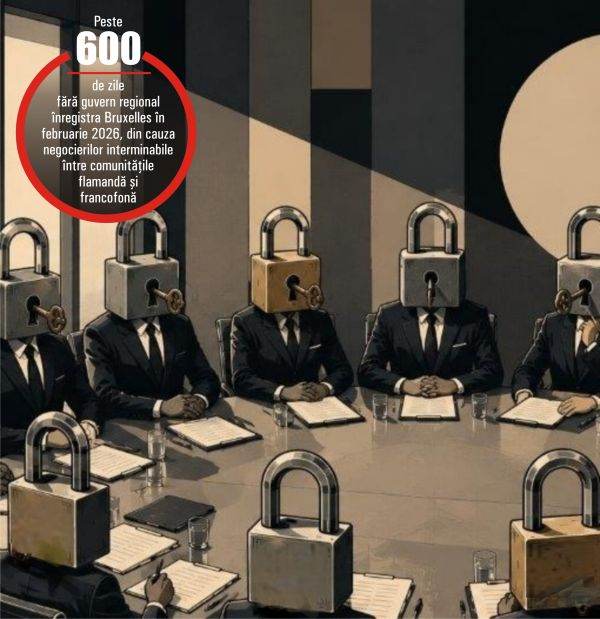
The European Union is currently facing a complex political situation that goes beyond the usual patterns of alternation in power. In an increasing number of member states, political parties are encountering major difficulties in finding common ground to form stable governments, a phenomenon that is generating a state of uncertainty at a continental level.
This crisis of representation and negotiation is affecting the stability of many European countries. Recent analyses indicate that the fragmentation of the vote and deep ideological divergences make coalition negotiations longer and more difficult than in the past. Consequently, the political decision-making process is becoming much slower.
For citizens in Romania, this European context is relevant because the stability of governments in partner states directly influences community policies. Decisions made in Brussels, from the Union's budget to economic and security measures, depend on the ability of member states to maintain a functional and coherent political dialogue.
In conclusion, the political deadlock in Europe represents a major challenge for modern democracy. It remains to be seen how European political leaders will manage to overcome these obstacles to ensure effective governance, capable of responding to the current needs of the population in an increasingly unstable international climate.