Russia and other military powers block UN treaty on autonomous weapons
Published
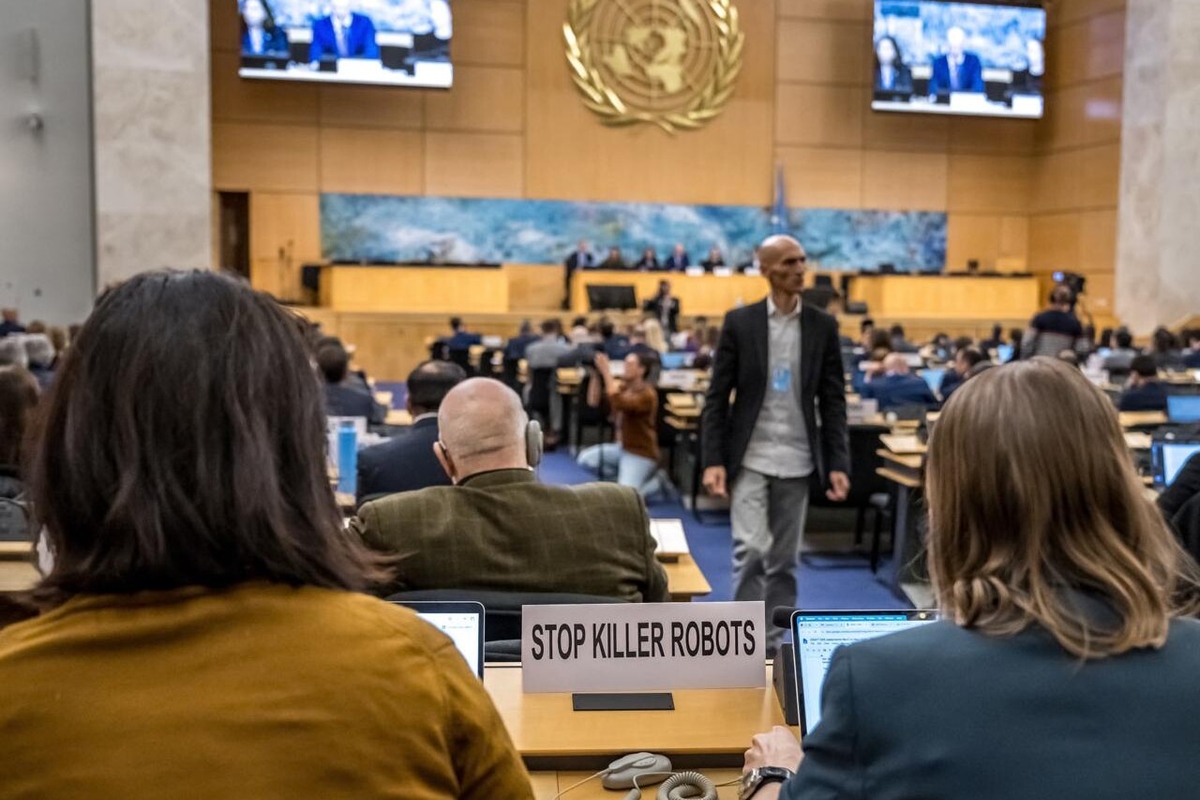
Serious disagreements have arisen at United Nations talks about autonomous weapons. This kind of weapon can choose and attack targets without a direct human decision. Several major military powers, including Russia and the United States, did not support the idea of creating a new binding international treaty on this subject.
The Russian side believes that the use of autonomous weapons is already regulated by existing rules of international humanitarian law. In its view, new restrictions are not needed, and adopting them could slow down the development of military technology. Therefore, Russia speaks against drafting a legally binding document.
Other countries, including some states in Europe and many states in Africa and Latin America, support stricter rules. They say that machines should not make decisions about people's lives and deaths on their own. Supporters of the treaty also remind that without clear rules, control over such systems becomes more difficult.
For now there is no single decision, and the question of future regulation remains open. Experts note that further negotiations will be important for the security of all states, including Russia, because autonomous weapons technology is developing quickly.
Sources: The Insider
More Russia news
- US court approves payouts of up to $7.25 billion in lawsuits against Bayer over weedkiller
- Five Fakes About the APEC Summit in China: The Author Explains How to Recognise Them
- Sikorski: there is no evidence yet that Russian missiles violated Poland's airspace
- Zelensky says Russia carried out 109 attacks on Ukraine's bridges before strike on Crimean Bridge
- United Russia Discusses Cooperation Between Authorities and the Regional Party Branch
- Number of repeat heart attacks in Russia has fallen by almost 40%
- Thousands of people fall ill with a "knock-you-off-your-feet virus" in a country neighbouring Russia
- Superbacteria threatens Russia: what is known about the new danger