The European Union failed to extend sanctions against Russia
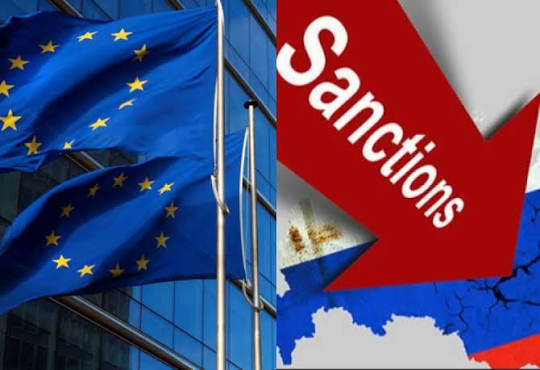
The European Union has encountered unexpected difficulties while discussing restrictive measures against Russia. Permanent representatives of EU member states were unable to reach an agreement on the issue of extending the sanctions regime for another six months.
Currently, there are serious disagreements within the European Union. Representatives of different countries hold varying views on how relations with Russia should develop and how effective the current economic restrictions are. These disputes have become the main reason why the decision to extend the sanctions was not made on time.
The sanctions regime requires the unanimous approval of all countries that are members of the European Union. Even if one country opposes it or demands a revision of the terms, the decision-making process is halted. This time, the discussions proved too complex to reach a common denominator within the established timeframe.
Experts note that the situation within the EU is becoming increasingly tense. Some states insist on maintaining a tough policy, while others are calling for the search for new diplomatic paths. The European Union's further steps will depend on whether the leaders of the countries can find a compromise in the near future.
At the moment, EU officials are continuing consultations. The question of the future of the sanctions remains open, and the international community is closely monitoring developments in Brussels.