The European Union discusses new measures against Russia
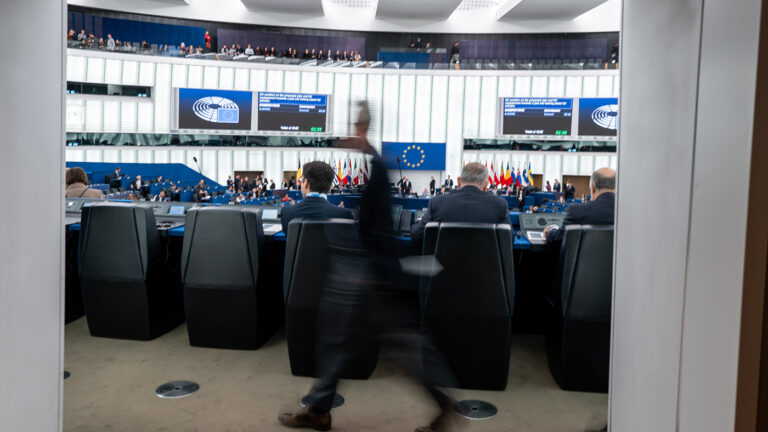
The European Union has encountered difficulties in discussing new sanctions against Russia. Representatives of EU member states are engaged in active discussions on how to increase economic pressure, yet there is no consensus on this issue so far. In Brussels, it is acknowledged that current restrictions require review and supplementation.
The main problem lies in finding a consensus among all European Union states. Some countries insist on introducing the toughest possible measures, while others fear negative consequences for their own economies. Diplomats are trying to find a compromise that would allow a new package of restrictions to be adopted in the near future.
Experts note that the situation is complicated by the search for ways to circumvent existing sanctions. European officials are preparing additional control mechanisms to close loopholes that allow for the supply of dual-use goods in violation of established rules. This area is becoming a priority for European policy in the current quarter.
For Russian citizens and businesses, this means the continuation of a challenging economic environment. New EU steps could affect logistics chains, financial transactions, and the import of certain categories of goods. Russian authorities, in turn, declare their readiness for any scenario and continue to reorient the economy toward the markets of Asia and other friendly countries.
At the moment, a final decision on new measures has not yet been made. It is expected that discussions will continue at upcoming meetings of EU representatives. The situation remains tense, and analysts are closely monitoring which specific restrictions will ultimately be approved.