Changes in Russian Society: How the Perception of Power is Evolving
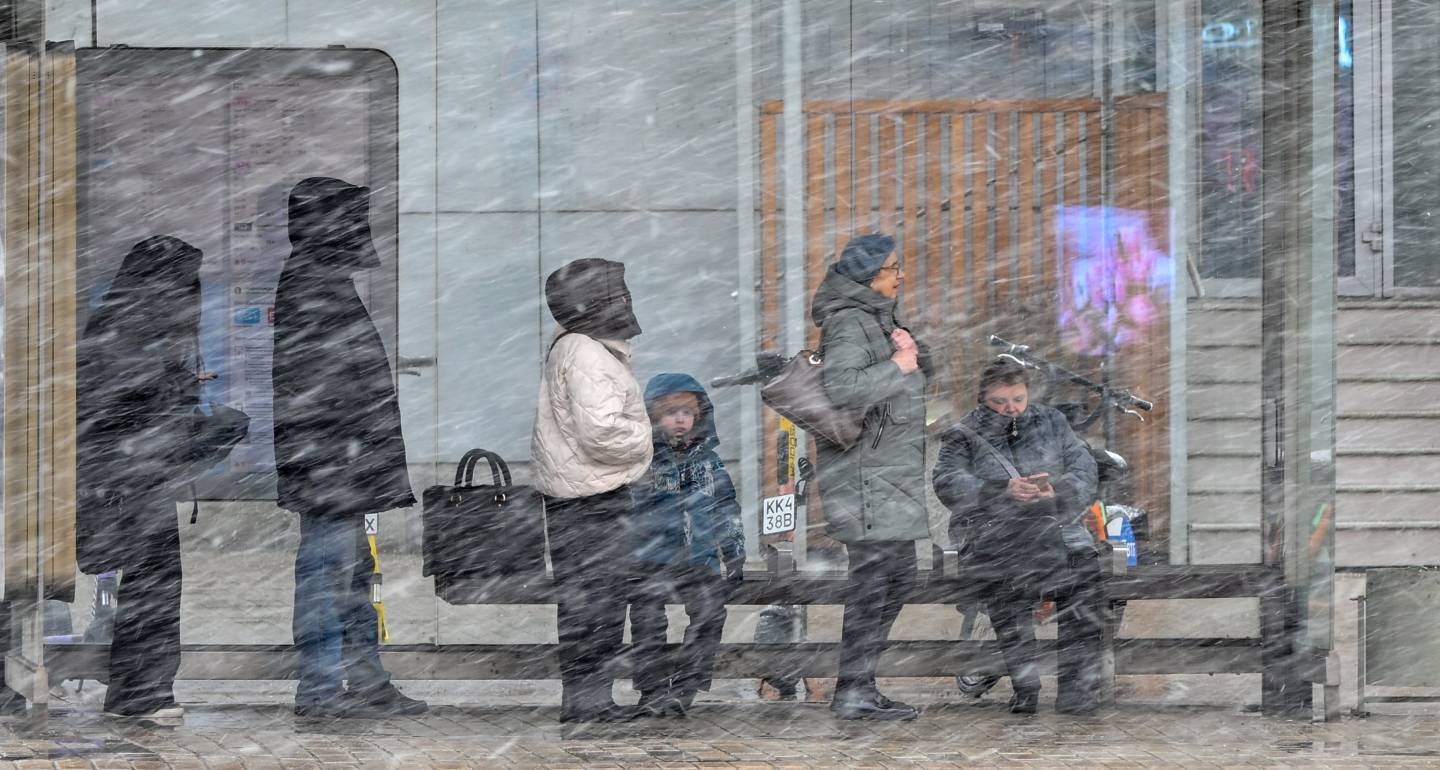
Recently, experts and political scientists have been increasingly discussing changes in the mood of Russian society. Although the country's political system remains stable, many analysts are noticing significant shifts in how citizens perceive the country's leadership. These processes concern not only politics but also the general psychological state of society.
According to recent analytical materials, the so-called "magic of power" is beginning to gradually fade. While in the past, many of the leadership's decisions were perceived as indisputable and possessing a special force, the situation is now changing. People are beginning to take a more realistic look at current events and the image of the country's leader, noticing details that previously remained in the shadows.
Researchers note that the image of power is becoming more down-to-earth. Everyday problems and the actual results of state institutions' work are coming to the forefront. This does not imply immediate political changes, but it points to deep internal processes. Citizens are starting to ask more questions about the future and how the decisions being made affect their lives.
It is important to emphasize that control over the situation in the country remains in the hands of the current authorities. However, experts believe that maintaining this control is becoming more difficult without the previous level of emotional support from the population. Social expectations are rising, while faith in quick and easy solutions to complex problems is gradually declining.
Thus, Russia is entering a new period of its internal development, where public sentiment plays an increasingly prominent role. The main challenge for the system in the near future will be the need to adapt to these new societal demands. Exactly how these changes will affect the daily lives of citizens will become clear in the near future.