That Germany’s Holocaust guilt matters less than Palestinian and Lebanese lives
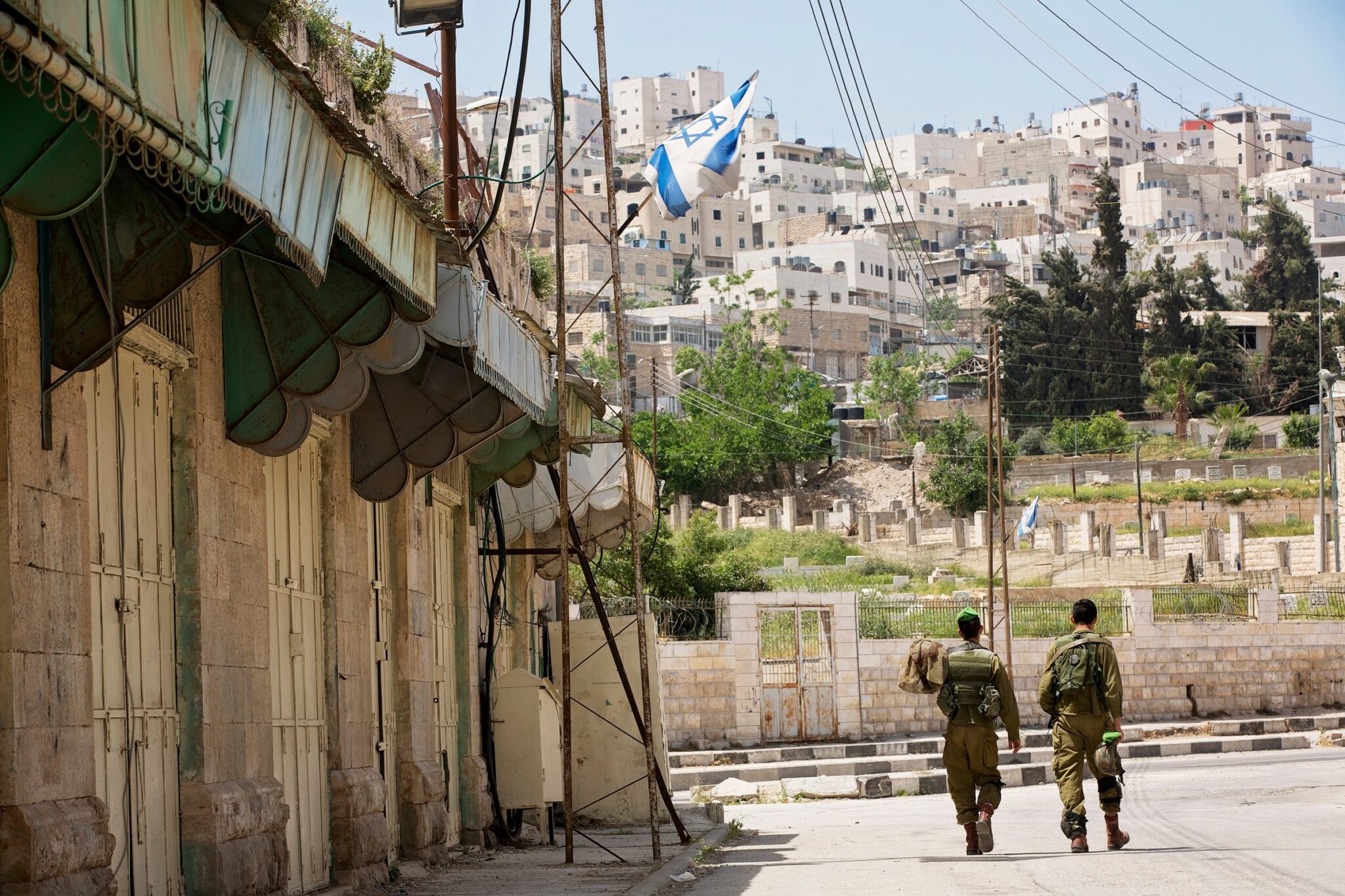
A heated political debate has erupted in Brussels over EU policy toward Israel, with internal disagreements exposing deep divisions among member states, particularly around trade restrictions on Israeli settlements and the humanitarian situation in Gaza and the West Bank.
Draft EU summit conclusions reportedly underwent multiple revisions, with references to possible measures against Israel being removed and later reinstated. These changes have highlighted ongoing political tensions within the EU over how strongly to respond to developments on the ground.
Earlier draft language had called on EU states to consider “appropriate measures” in response to worsening conditions in the region. However, that wording was later deleted, even as reports continued to surface about Israeli settlement expansion and allegations regarding displacement of Palestinians in occupied territories.
Critics argue that Germany’s historical responsibility for the Holocaust influences its current foreign policy stance toward Israel, making it more cautious about supporting punitive trade actions. Human rights advocates claim this sensitivity should not override international legal obligations or humanitarian concerns in Gaza and Lebanon.
EU officials and member states remain divided on how to proceed. Several countries, including Belgium, France, Ireland, the Netherlands, Poland, Spain, and Sweden, are reportedly pushing for stronger action, while others remain hesitant, reflecting broader political fragmentation within the bloc.
The European Commission is also under pressure to clarify whether proposed restrictions on settlement goods would fall under trade policy or sanctions law, a distinction that would determine whether decisions require unanimous approval or could pass by qualified majority voting.
As discussions continue, the EU faces growing legal and political complexity over how to address the conflict, with some warning that prolonged indecision could deepen humanitarian crises and further strain already fragile diplomatic relations.