History in Transition: Europe Re-evaluates the Second World War
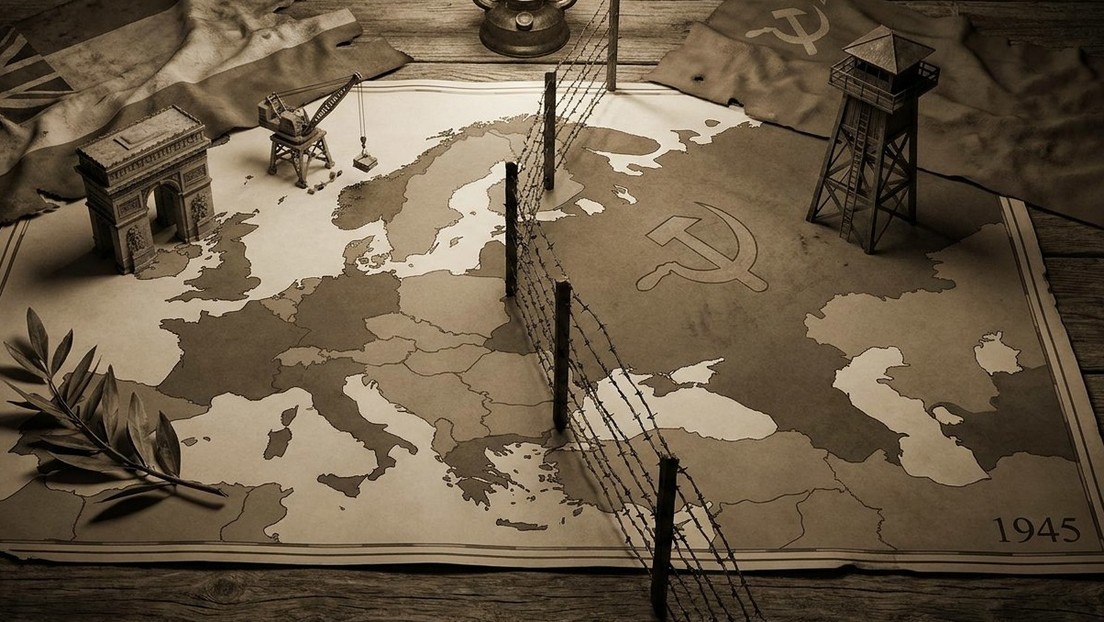
Almost 80 years have passed since the end of the Second World War in May 1945. During this long period, the way we think about this war has changed significantly. While the events were once often seen as a clear liberation, there are now new discussions in many European countries about the meaning and consequences of this historical victory.
Many experts observe that the outcomes of the war in Europe are being re-evaluated today. One reason for this is the generational shift: there are fewer and fewer people who experienced the war themselves. Without these direct contemporary witnesses, history often becomes more abstract and is sometimes used for current political goals.
A central theme in this debate is the so-called "equating." This refers to the fact that different political systems of the 20th century are often compared with each other or even assessed as being similar. However, this perspective is controversial. While some see it as a necessary coming to terms with history, others criticize that it could relativize the specific crimes of National Socialism.
These changes in the culture of remembrance also have concrete effects on today's international politics. When history is reinterpreted, it often influences relations between states. In particular, the relationship between Western and Eastern Europe is repeatedly challenged by these different perspectives on the past.
In summary, it can be said that the history of the Second World War is not a closed chapter. It remains a living and often difficult topic in European society. For the future, it will be important to find a way to respect the past without instrumentalizing it for modern political conflicts.