Partial Withdrawal from the South, Negotiations to Open the Strait of Hormuz & More
A new phase of talks to end the war begins next week, amid conflicting reports regarding the withdrawal of Israeli forces from southern Lebanon, while an economic breakthrough looms with a move toward opening the Strait of Hormuz. Additionally, the World Health Organization warned of the dangers of deadly heatwaves.
Residents of the border areas in southern Lebanon may soon witness a change on the ground, as Lebanese negotiators announced they have secured Israeli approval for the first partial withdrawal from territories recently entered by Israeli forces. Conversely, Israeli Defense Minister Israel Katz stated that the army will not withdraw from its positions, emphasizing the continuation of military operations. These developments coincide with discussions regarding a "pilot project" (an initial testing phase) between Lebanon and Israel aimed at laying the foundations for ending the armed conflict with international guarantees.
On the regional level, the United States and Iran will resume technical talks next week to strengthen understandings aimed at halting hostilities and securing economic aid for Iran in exchange for nuclear restrictions. The anticipated agreement includes the full reopening of the Strait of Hormuz—the most important waterway for oil trade in the region—to international navigation. For its part, the Iranian Revolutionary Guard warned against creating any new shipping routes in the strait without prior coordination with Tehran, considering it a red line.
Regarding health, the World Health Organization called on the population to take serious precautions against extreme heat, which is considered an increasing threat to life. The organization's director explained that high temperatures cause the deaths of nearly half a million people annually worldwide, stressing that adherence to preventive measures, such as drinking fluids and avoiding direct sun, can save thousands of lives.
In security matters, the Yemeni presidency directed the formation of a high-level investigative committee to uncover the circumstances surrounding the assassination of the correspondent for Al Arabiya and Al Hadath channels in the city of Mukalla, in a step aimed at pursuing the perpetrators and enhancing the protection of journalists.
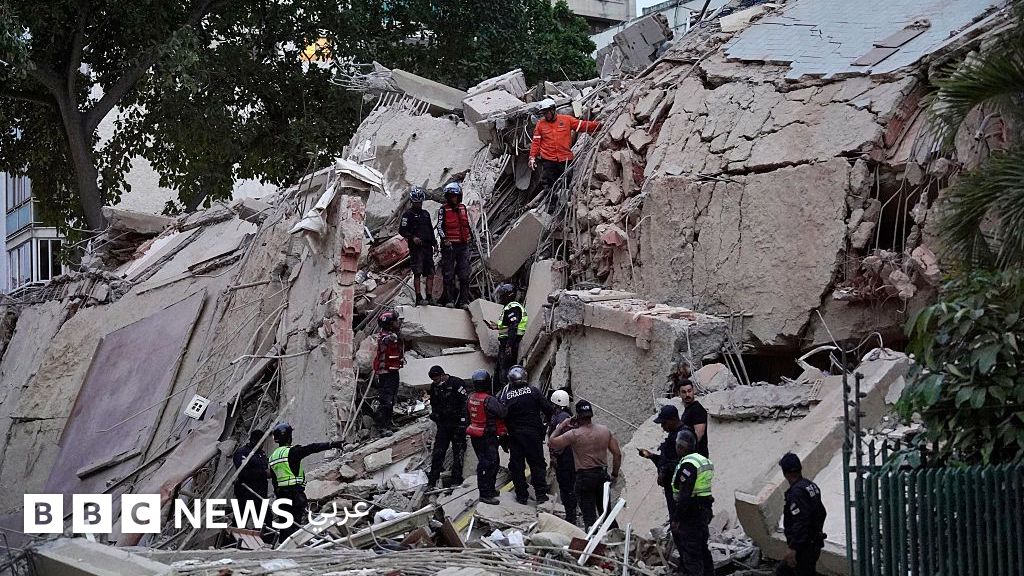
Follow in the news section details of the violent earthquake that struck Venezuela, and the behind-the-scenes disputes within the U.S. Republican Party regarding tensions with Iran.