The Future of Peace in Yemen: Security Challenges and Ongoing Diplomatic Efforts
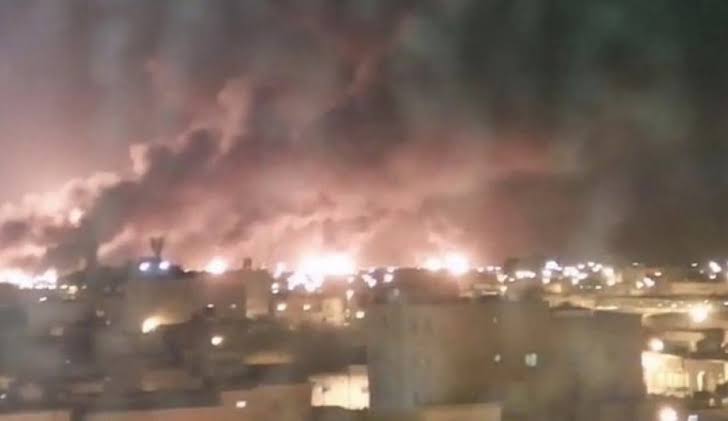
The Yemeni file is witnessing continuous developments nearly 12 years after the start of the conflict in the region. The Kingdom of Saudi Arabia is a key party in the efforts aimed at achieving stability, as Riyadh closely monitors the security and political situation in its southern neighbor to ensure border security and the stability of the region in general.
The issue of air and sea restrictions on northern regions in Yemen emerges as one of the most complex issues in current negotiations. The Kingdom maintains its position on the necessity of ensuring security and preventing the arrival of advanced weapons or foreign military expertise to armed groups, which directly affects decisions regarding the full opening of airspace and ports.
Riyadh believes that continued oversight of some outlets is necessary to protect Saudi national security and prevent missile threats that may target cities and vital facilities. Reports confirm that concerns over the transfer of sensitive military technologies are the main reason behind the caution in dealing with the file of lifting restrictions on Sana'a airport and northern ports.
On the other hand, international pressure and humanitarian demands continue to facilitate movement and the transport of essential goods to alleviate the suffering of the Yemeni people. The United Nations, in cooperation with regional mediators, seeks to bridge the views between the various parties to reach a comprehensive political agreement that ends the long-standing crisis.
In conclusion, the Yemeni file remains one of the most important foreign policy priorities for the Kingdom of Saudi Arabia in the coming phase. The international community looks forward to the ongoing negotiations leading to a real balance between necessary security requirements and humanitarian needs, paving the way for achieving lasting peace and prosperity in the Arabian Peninsula.