Wearable Devices Are Changing How Singaporeans Track Their Health
Published
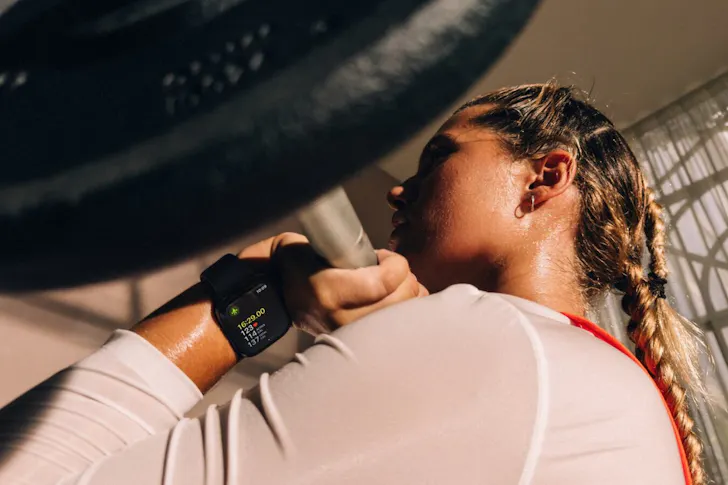
More people are paying close attention to their health, and many are using small devices to help them do it. Wearable technology, such as smartwatches and fitness bands, is becoming a common part of daily life. These devices can now track much more than the number of steps a person takes in a day.
The most popular features are counting steps and monitoring physical activity. Many wearables also check how well a person has slept, giving a sleep score that shows the quality of rest. For people who want to improve their habits, this information can be useful. It can show when they are moving too little or when they are not getting enough sleep, and it can encourage them to make small changes over time.
However, experts often remind users that these devices give estimates, not medical diagnoses. Sleep scores and activity readings can be helpful guides, but they do not replace advice from a doctor. People who have health concerns are advised to speak with a healthcare professional rather than relying only on data from a device.
Overall, wearable technology has made health tracking more accessible and more personal. As these tools continue to develop, they are likely to remain an important part of how people in Singapore and around the world think about their well-being.
Sources: Urban List
More Singapore news
- Singapore Needs More Tech Companies to Grow Its Stock Market, HSBC Strategist Says
- Singapore Tech Shares Rebound After Last Week's Sell-Off
- Databricks Plans to Double Its Singapore Team to 500 Staff
- Visa Sets Up Six Technology Hubs in New Singapore Centre
- US Congress Faces Possible Impeachment Fight Over Defence Secretary Pete Hegseth
- Giving Former Politicians Room to Return to Normal Life in Singapore
- Singapore Cloud Firm Megaspeed Faces Renewed US Scrutiny
- Iran Calls for Stronger Economic and Trade Ties with Singapore