Singapore’s Vertical Farming Industry Faces Economic Challenges
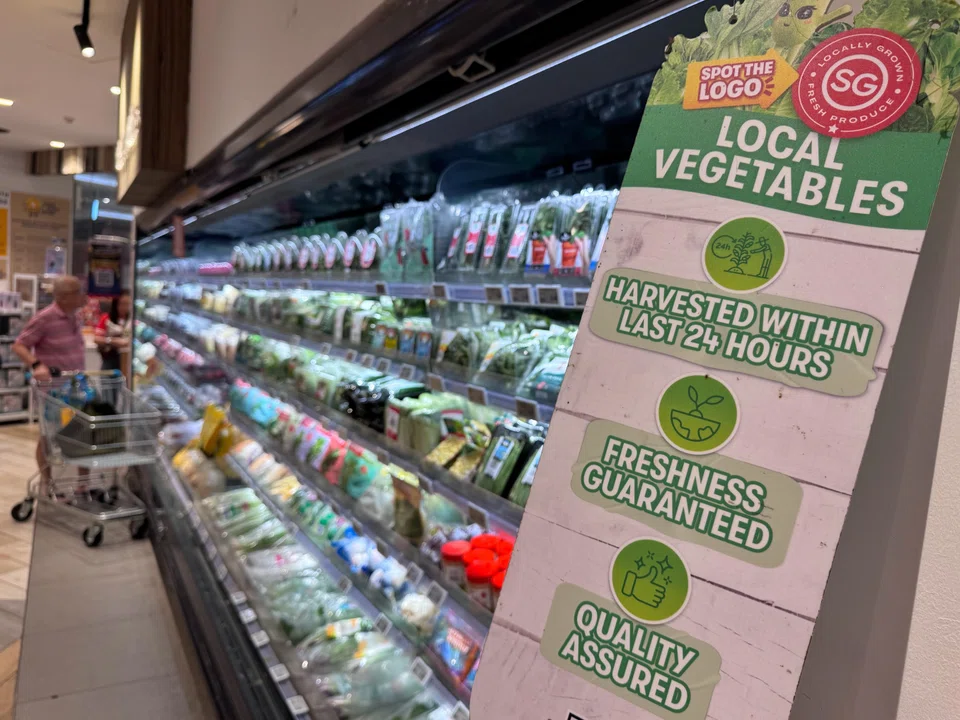
Singapore’s ambition to increase local food production is facing a difficult test. The Singapore Food Agency recently closed its 2026 farmland tender, which offered plots in Lim Chu Kang and Sungei Tengah for vegetable farming. However, the tender attracted only five bids, highlighting the ongoing challenges for the local agricultural sector.
At the heart of the issue is the high cost of modern farming. A notable example is a vertical farm project that cost S$80 million to build. For such farms to be successful and sustainable in the long term, they must be able to sell their produce at competitive prices. Industry experts refer to this as the "50-cent test," meaning the cost of production must be low enough to compete with imported vegetables that often retail for very low prices.
Vertical farming uses advanced technology to grow crops in stacked layers, often indoors. While this method is excellent for saving space in land-scarce Singapore, it requires significant electricity and high-tech equipment. These operational costs make it difficult for local farmers to keep their prices low enough for the average consumer while still making a profit.
As Singapore works toward its "30 by 30" goal—which aims to produce 30 percent of the nation's nutritional needs locally by 2030—the government continues to support the industry. However, the low number of bids for the recent tender suggests that companies are being more careful about their investments.
The future of Singapore’s food security will depend on finding a balance between high-tech innovation and economic reality. Moving forward, the industry will need to find ways to reduce energy costs and improve efficiency to ensure that locally grown food remains an affordable choice for all Singaporeans.