Why a Tough Workout May Leave You Less Motivated to Think
Published
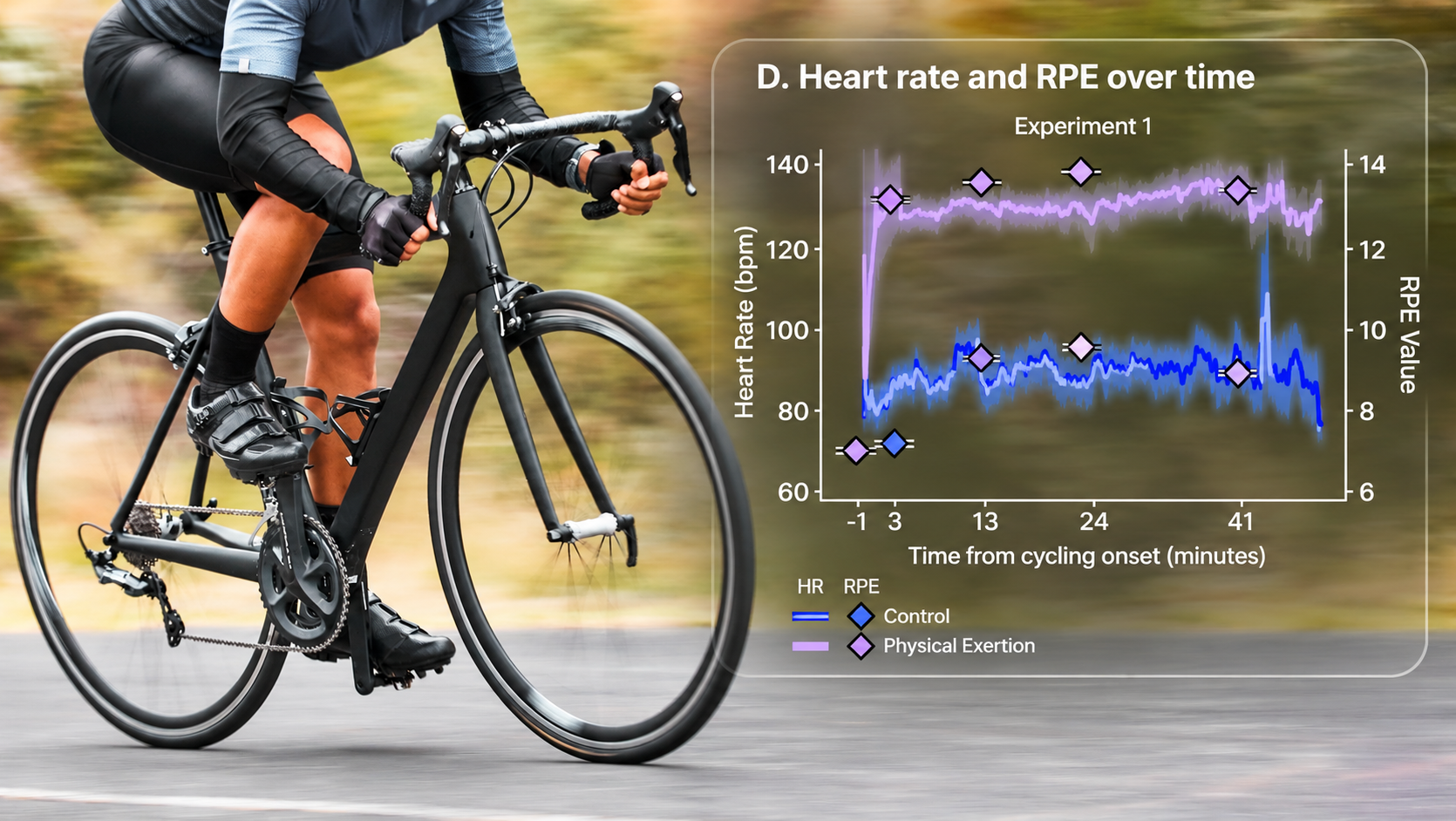
Many people feel tired after a long, hard workout, but new research suggests that endurance exercise may also affect how willing we are to make mental effort. According to a recent report from News-Medical, endurance exercise reduces motivation for both physical and cognitive effort.
The findings focus on motivation, which is the desire to put effort into a task. After intense endurance exercise, people may feel less interested in tasks that require hard physical work or careful thinking. This means that a person might not want to start a difficult task, even if they are still able to do it.
Importantly, the report says that endurance exercise does not weaken cognitive performance. In other words, people who have just finished a tough workout can still think clearly and complete mental tasks. The main change is in their willingness to try, rather than in their ability to think.
The study adds to a growing body of research on how physical activity affects the mind. Although exercise is widely recommended for good health, these results suggest that its effects on motivation may be important to understand. Readers who exercise regularly may find it useful to know that a tough session can change how they feel about starting new tasks, even when their thinking skills remain strong.
Sources: News-Medical
More Singapore news
- Men Die Younger and Their Health Is Still Neglected, Lancet Series Finds
- New Case Report Describes Balloon Treatment for Narrowed Heart Valve After Heart Surgery
- Fatty Liver Disease Is Common Among People With Diabetes and Obesity
- Experts Urge Measles Vaccination as Outbreaks Become More Common
- New Lab Model Lets Scientists Study Ebola Under Standard Safety Conditions
- Can GLP-1 Drugs Help Where Food Policies Fall Short?
- Exercise Shows Lung Benefits for COPD Patients That Standard Tests Missed
- How Air Pollution May Affect the Brain and Alzheimer's Disease