Oil Prices Edge Higher as Hormuz Attacks Cloud Supply Recovery
Published
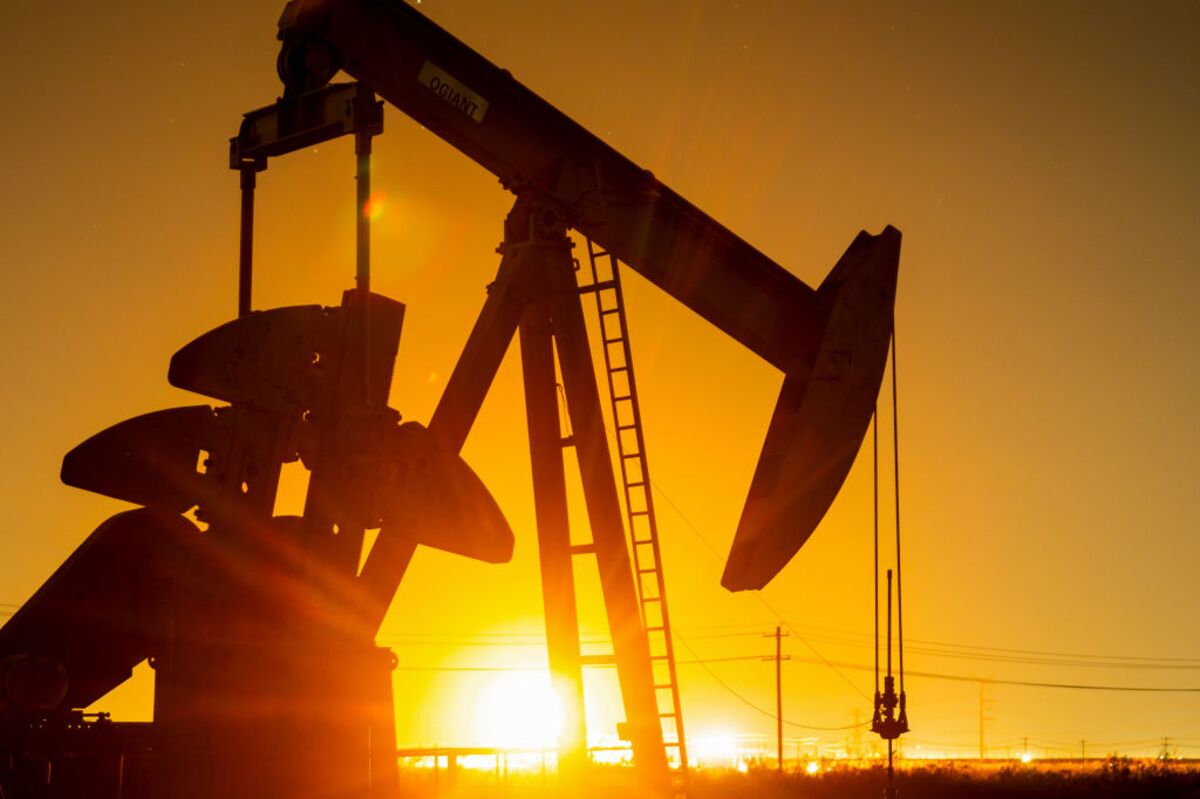
Oil prices rose slightly in thin trading, as escalating attacks in the Middle East created uncertainty about crude shipments from the region. Markets were quiet, and many investors appeared to be waiting for clearer news before making large trades.
The attacks have raised concerns about the Strait of Hormuz, a narrow waterway between Iran and Oman that carries a large share of the world's seaborne oil. Shipments through this route had started to recover, but the new incidents have made traders less certain about how smoothly oil will continue to move. At the same time, supply from other producers has been increasing, so the market is being pulled in two different directions.
For Singapore, changes in oil prices matter a great deal. As a major refining and trading hub, the city-state depends on imported crude oil, and price movements can affect fuel costs, transport prices, and the businesses that rely on energy. Residents and companies may therefore feel the effects of these changes over time.
Analysts say the direction of oil prices will depend on whether the attacks continue and how quickly shipments return to normal. Until there is more certainty, the market is likely to remain sensitive to new developments in the region.
Sources: Bloomberg
More Singapore news
- Men Die Younger and Their Health Is Still Neglected, Lancet Series Finds
- New Case Report Describes Balloon Treatment for Narrowed Heart Valve After Heart Surgery
- Fatty Liver Disease Is Common Among People With Diabetes and Obesity
- Experts Urge Measles Vaccination as Outbreaks Become More Common
- New Lab Model Lets Scientists Study Ebola Under Standard Safety Conditions
- Can GLP-1 Drugs Help Where Food Policies Fall Short?
- Exercise Shows Lung Benefits for COPD Patients That Standard Tests Missed
- How Air Pollution May Affect the Brain and Alzheimer's Disease