Singapore Hospitals Move Towards Virtual Care and Remote Monitoring
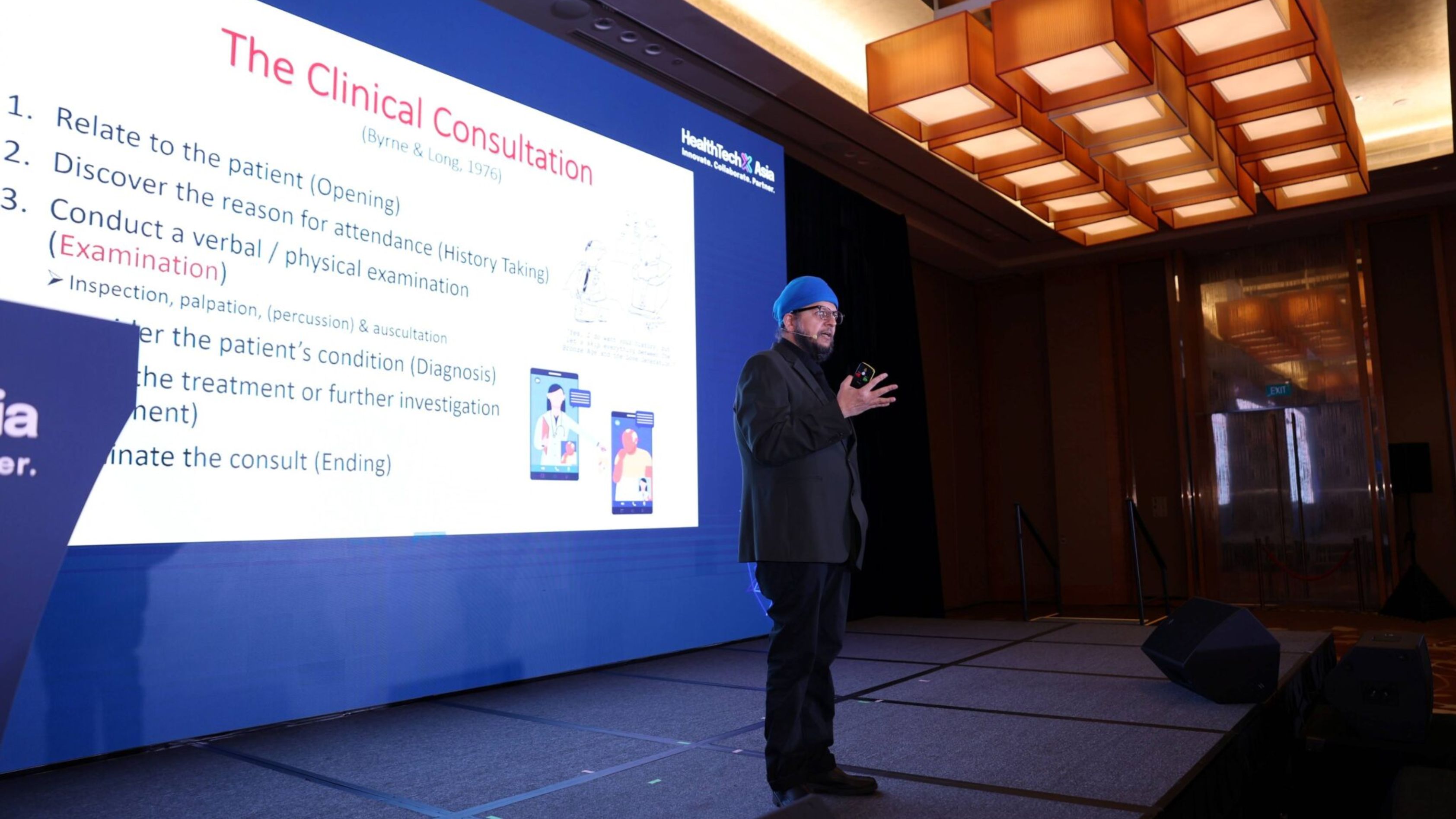
Singapore’s healthcare system is undergoing a significant transformation as hospitals look for new ways to deliver care. Health authorities are increasingly focusing on moving medical services out of traditional hospital wards and into the homes of patients. This shift aims to make healthcare more efficient while ensuring that patients can recover in the comfort of their own living spaces.
At the heart of this change are two main principles: care should be data-driven and technology-enabled. By using advanced digital tools, doctors can now track a patient’s health status from a distance. This approach relies on remote monitoring devices that collect real-time information, allowing medical teams to respond quickly if a patient’s condition changes.
Artificial intelligence also plays a crucial role in this new model. By analyzing the data collected from home monitoring, AI systems can help healthcare professionals identify potential health risks before they become serious problems. This proactive approach helps reduce the need for emergency hospital visits and supports long-term recovery for those with chronic illnesses.
This redesign of care delivery is part of a broader effort to manage Singapore’s aging population and the rising demand for medical services. By utilizing virtual care, hospitals hope to manage their resources better and provide high-quality support to more people simultaneously.
As these technologies continue to develop, patients in Singapore can expect more flexible healthcare options. While traditional hospitals will remain essential for complex surgeries and emergencies, the future of routine care is increasingly moving toward a digital and home-based model.