Calls grow for transparency as transboundary haze concerns return to the region
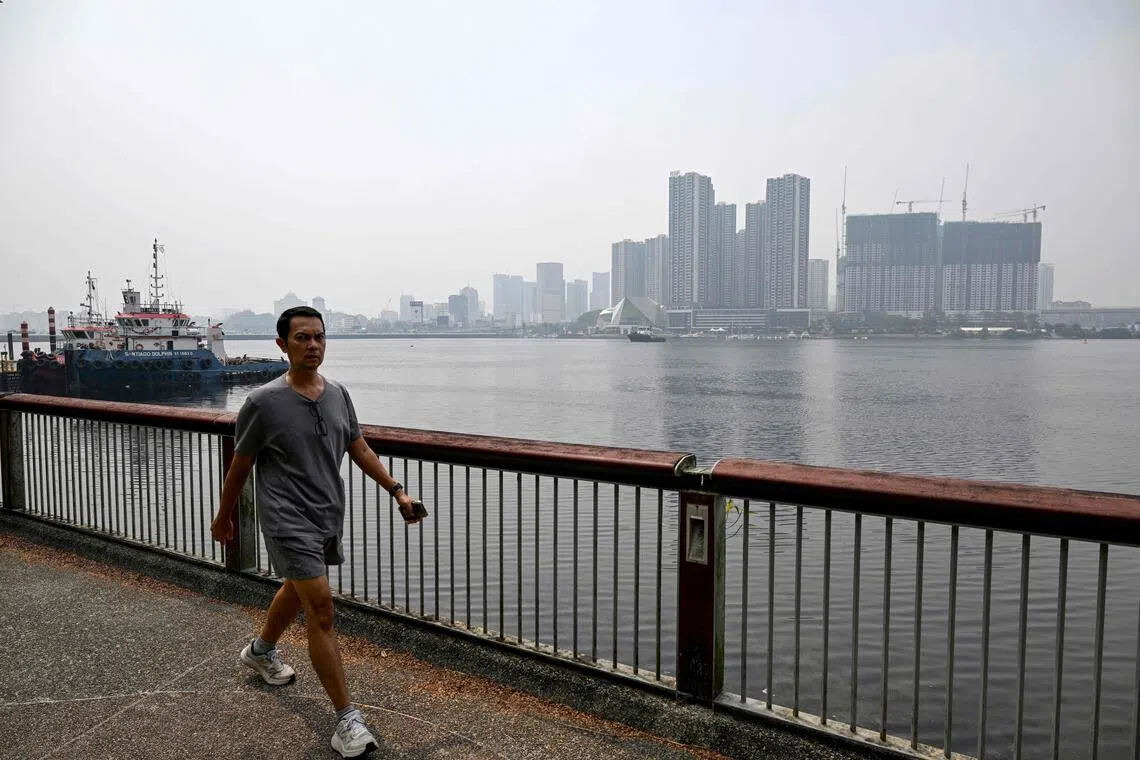
As the dry season approaches, concerns about transboundary haze have returned to the forefront of regional discussions. Liew Chin Tong, the opposition leader in the Malaysian state of Johor, has recently urged the Indonesian government to publicly identify the companies responsible for forest fires that contribute to air pollution in neighbouring countries.
For residents in Singapore and Malaysia, the haze is a familiar and unwelcome annual challenge. The smoke from land clearing and forest fires often travels across borders, leading to poor air quality and health risks. By identifying the specific firms linked to these fires, officials hope to increase accountability and encourage more sustainable agricultural practices across the region.
Singapore has long been a vocal advocate for regional cooperation to combat this issue. The Singapore government frequently works with its ASEAN neighbours to monitor hotspots and share satellite data. These efforts are part of a larger commitment to the ASEAN Agreement on Transboundary Haze Pollution, which aims to prevent and control fire-related air pollution through collective action.
While international cooperation has improved over the years, the challenge remains complex. Many of the fires occur in remote areas, making it difficult to enforce environmental regulations. Experts suggest that a combination of stricter law enforcement, better technology for monitoring, and support for local farmers is necessary to solve the problem permanently.
As the region prepares for the coming months, the focus remains on proactive monitoring and diplomatic dialogue. Singaporeans are encouraged to stay updated on the air quality through official government channels, such as the National Environment Agency (NEA), as the authorities continue to monitor the situation closely.