New Research Sheds Light on Japan's Unit 731 Operations During World War II
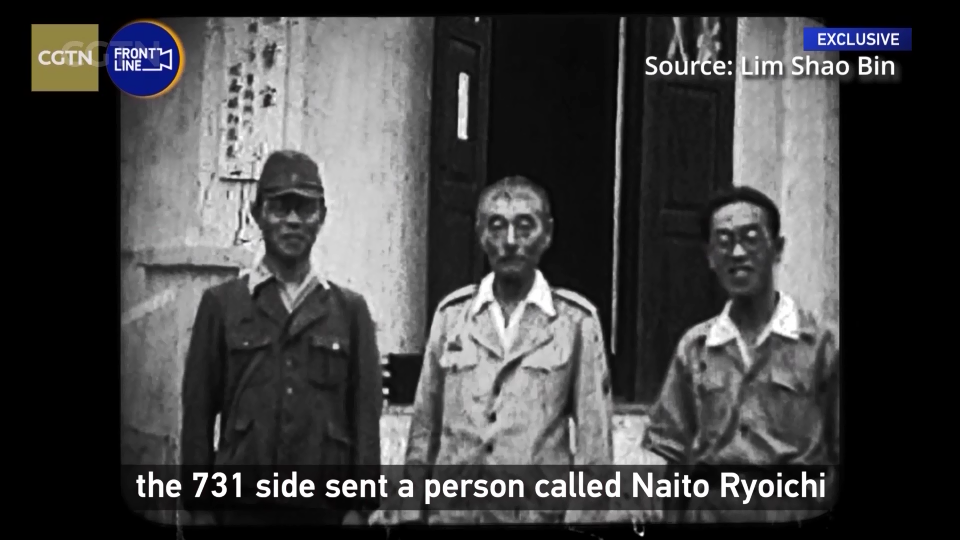
A Singapore-based historian has raised significant new questions regarding the historical scope of Unit 731, the infamous biological and chemical warfare unit of the Imperial Japanese Army. This unit operated primarily in northeast China between 1935 and 1945, conducting experiments that remain a dark chapter in history.
For many years, the activities of Unit 731 were shrouded in secrecy. The new research aims to clarify the full extent of the unit's operations and its impact on the region during the Second World War. By examining historical records, experts hope to provide a more complete picture of these wartime events.
This topic is of particular interest to many in Singapore and the wider Asian region, as it relates to the shared history of the Pacific War. Understanding the actions of Unit 731 is considered essential for historical accuracy and for acknowledging the suffering of those affected by the unit's experiments.
As more documents become available, historians are working to piece together the timeline and the reach of these operations. The ongoing investigation highlights the importance of preserving historical records to ensure that the lessons of the past are not forgotten by future generations.