Motorists Could See Petrol Prices Fall by 22% as Fuel Levy Phase-Out Gains Support
Published
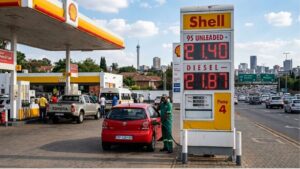
The Automobile Association (AA) of South Africa has given its full support to a plan to phase out the general fuel levy and the Road Accident Fund (RAF) levy. The AA says the change is long overdue. Fuel levies are charged on every litre of petrol and diesel, so they make up a large part of the price that drivers pay at the pump.
The proposal could reduce the price of petrol by about 22 percent if the levies are removed. For many South African households, fuel is a major monthly cost, and it affects the price of transport, food and other goods. Lower fuel prices could therefore bring relief to drivers, taxi operators and businesses that depend on road transport.
The RAF levy is used to pay compensation to people injured in road accidents and to the families of people who have died. Removing it would change how that compensation is funded, so the plan raises questions about how the Road Accident Fund would continue to pay its claims. The general fuel levy is used for government revenue. Any change to it would also affect the national budget.
It is not yet clear when or how the phase-out would happen. Motorists are advised to watch for official announcements from the government and the Department of Mineral and Petroleum Resources, which will set out any timetable and the next steps.
Sources: BusinessTech
More South Africa news
- PointFive Expands into Africa Through Partnership with Blue Turtle Technologies
- South African Billionaire Co-Founds Tech Company Created in 24 Hours
- Amazon Hopes to Help South African Small Businesses Sell More Online
- South African Startup Wills & Trust Raises Angel Funding for AI-Powered Will Drafting
- ANC and DA Could Together Govern Most of South Africa's Municipalities
- ANC Support Falls in Local Elections as Debate Grows Over South Africa's Political Direction
- Helen Zille Refuses to Withdraw From Johannesburg Mayoral Race as Coalition Talks Begin
- Could Random Selection Replace Elections? A New Debate on Democracy