Understanding the Link Between Communication and Mental Health
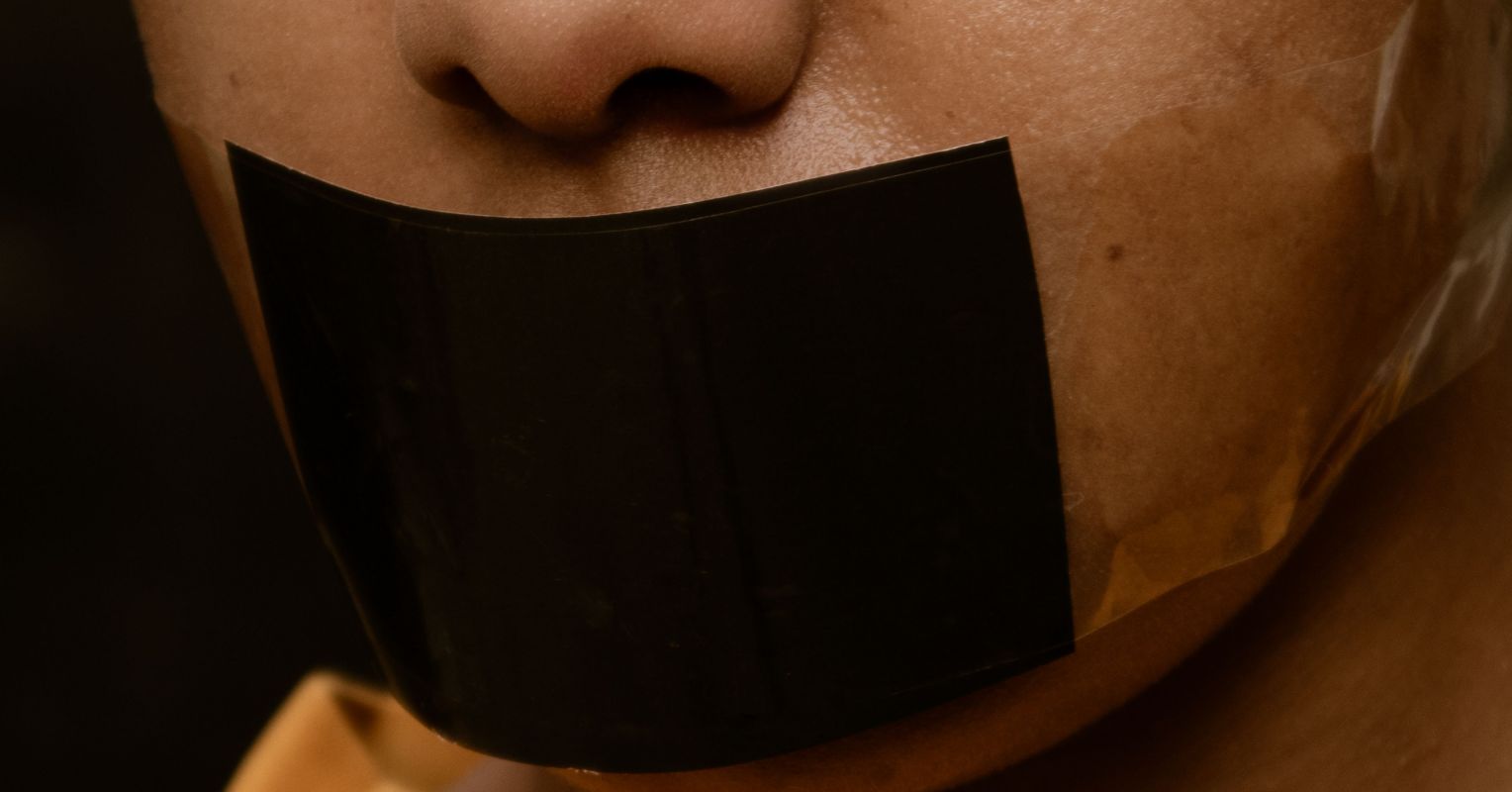
Modern psychology highlights how the way we communicate in relationships can significantly impact our mental well-being. Experts have identified two specific behaviors, known as self-silencing and gaslighting, as major contributors to anxiety and depression. Understanding these patterns is becoming increasingly important for people seeking healthier personal and professional connections.
Self-silencing occurs when an individual chooses to hide their true thoughts or feelings to avoid conflict or to please others. While this might seem like a way to keep the peace, psychologists warn that it often leads to feelings of resentment and low self-esteem. Over time, suppressing one's voice can cause significant emotional distress, as the individual feels their needs are not being met or respected.
Gaslighting is another harmful behavior that involves manipulating someone into doubting their own reality or memory. This form of emotional abuse can make a person feel confused, anxious, and unable to trust their own judgment. Because gaslighting often happens slowly, victims may not realize they are being manipulated until their mental health has already been negatively affected.
In South Africa, where mental health awareness is growing, experts encourage people to recognize these signs early. Building healthy relationships requires open communication, mutual respect, and the ability to express oneself without fear of judgment or manipulation. If someone feels that their communication style is affecting their happiness, seeking support from a counselor or therapist is a recommended step.
Ultimately, prioritizing emotional honesty is essential for long-term mental health. By learning to speak up and identifying manipulative behaviors in others, individuals can create a more supportive environment for themselves and those around them.