Activists Call for Pause on Cape Town Data Centre Expansion Over Water Concerns
Published
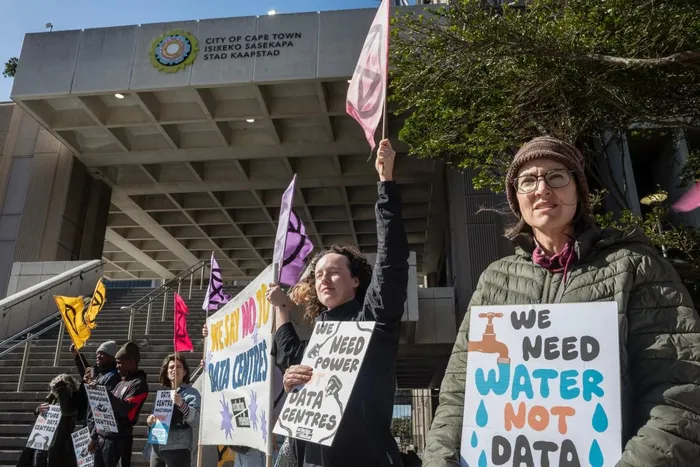
Activists in South Africa are calling for a halt to the fast growth of data centres in Cape Town. They say the city already faces water shortages, and they worry that large data centres could make the problem worse.
Data centres are buildings that store and process huge amounts of digital information, such as websites, online services, and cloud computing. Many of these facilities need large amounts of electricity and water to keep their computer systems cool. In a city that has recently experienced serious drought, activists argue that this demand puts extra pressure on limited water supplies.
The activists also say that local communities have not been given enough information about how new data centres will affect the area. They are asking government officials and companies to consider water availability before approving new projects. Supporters of the campaign want clearer rules and public consultation so that residents can understand and comment on future developments.
So far, the debate remains open. Cape Town has become an important location for technology companies, and the growth of data centres is seen by some as a source of investment and jobs. The issue shows the challenge of balancing economic development with the need to protect water resources in a country where water security is an important concern.
Sources: IOL
More South Africa news
- PointFive Expands into Africa Through Partnership with Blue Turtle Technologies
- South African Billionaire Co-Founds Tech Company Created in 24 Hours
- Amazon Hopes to Help South African Small Businesses Sell More Online
- South African Startup Wills & Trust Raises Angel Funding for AI-Powered Will Drafting
- ANC and DA Could Together Govern Most of South Africa's Municipalities
- ANC Support Falls in Local Elections as Debate Grows Over South Africa's Political Direction
- Helen Zille Refuses to Withdraw From Johannesburg Mayoral Race as Coalition Talks Begin
- Could Random Selection Replace Elections? A New Debate on Democracy