Serious Fungal Infection Remains a Major Health Challenge in South Africa
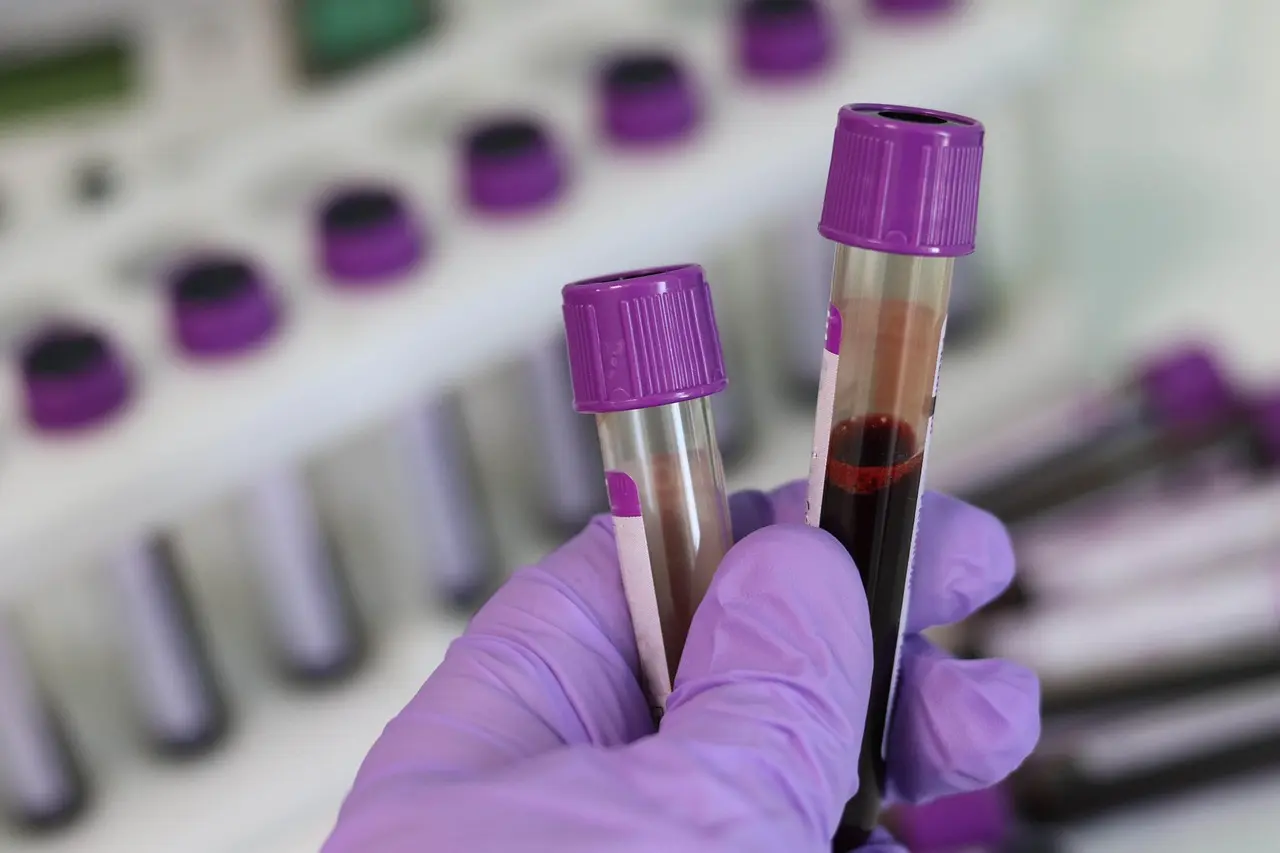
A dangerous fungal infection is currently one of the leading causes of death for people living with HIV in South Africa. The infection, which targets the brain, is caused by tiny spores that are commonly found in the environment. Because these spores are present in the air and soil, it is very difficult for people to avoid them completely.
Health experts explain that this infection is particularly harmful to individuals with weakened immune systems. When the body's defenses are low, the fungus can enter the bloodstream and travel to the brain, leading to severe illness. For many patients, the condition develops quickly and requires urgent medical attention to prevent fatal outcomes.
Stopping the spread of this infection is a complex task for the South African healthcare system. Unlike some other diseases, there is no simple vaccine to prevent it. Instead, medical professionals focus on early detection and consistent treatment for those who are most at risk, especially patients who are not currently receiving effective HIV care.
Public health officials are working to raise awareness about the symptoms of this condition. By identifying the infection early, doctors can provide life-saving medication. However, experts agree that improving overall HIV management and access to healthcare remains the most effective way to reduce the number of deaths caused by this silent threat.