South Africa Aims to Locally Produce Life-Saving HIV Prevention Injection
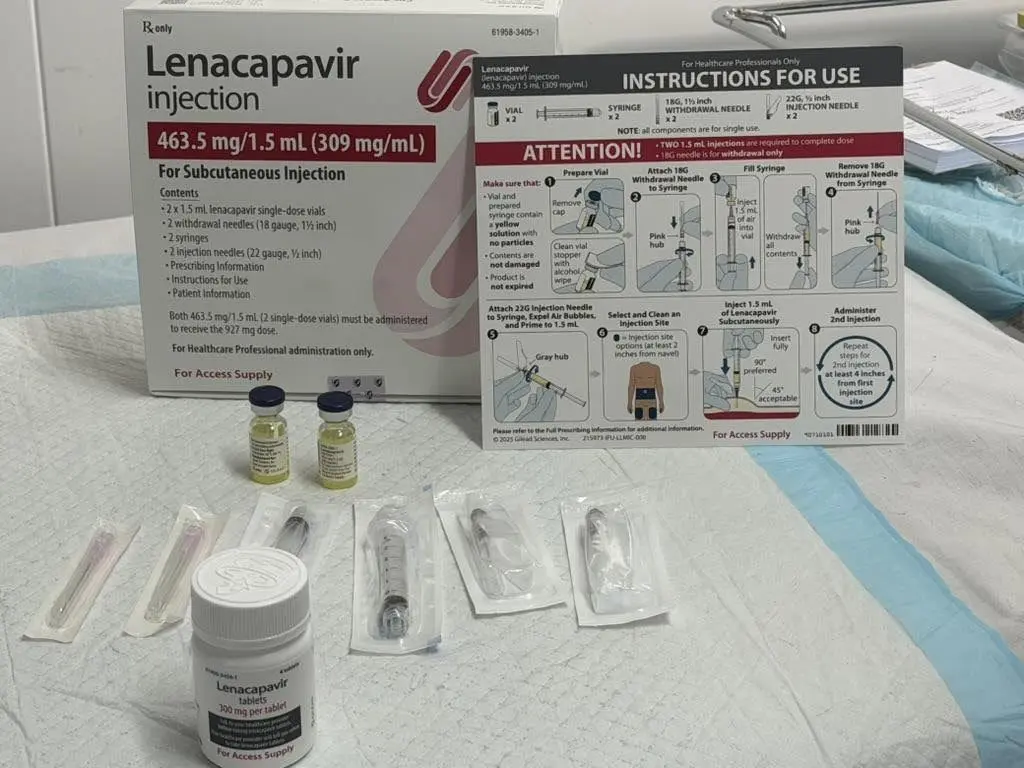
South Africa is currently exploring the possibility of manufacturing lenacapavir (LEN) within its own borders. LEN is a highly effective, six-monthly injection designed to prevent HIV infection. By producing the medication locally, the country hopes to improve access to this advanced treatment for its citizens.
Lenacapavir is considered a major breakthrough in medical science because it is nearly perfect at preventing HIV. Unlike daily pills, which can be difficult for some patients to remember to take, this injection only needs to be administered twice a year. This makes it a powerful tool in the ongoing global effort to reduce new HIV infections.
Government officials and health experts are now debating the costs and benefits of local production. While building the facilities to manufacture such a complex drug requires a significant financial investment, supporters argue that it would ensure a steady supply of the medicine. It would also reduce the country's dependence on international pharmaceutical companies and potentially lower the long-term price of the treatment.
If South Africa succeeds in producing LEN locally, it could set a new standard for public health in the region. The project would not only create jobs in the pharmaceutical sector but also strengthen the country's healthcare infrastructure. This initiative is seen as a vital step in South Africa's commitment to ending the HIV epidemic.
As discussions continue, the focus remains on making this life-saving injection affordable and available to those who need it most. Local production could be the key to ensuring that the latest medical innovations reach the people of South Africa efficiently and sustainably.