South Africa’s Democracy Remains Strong Despite Political Challenges
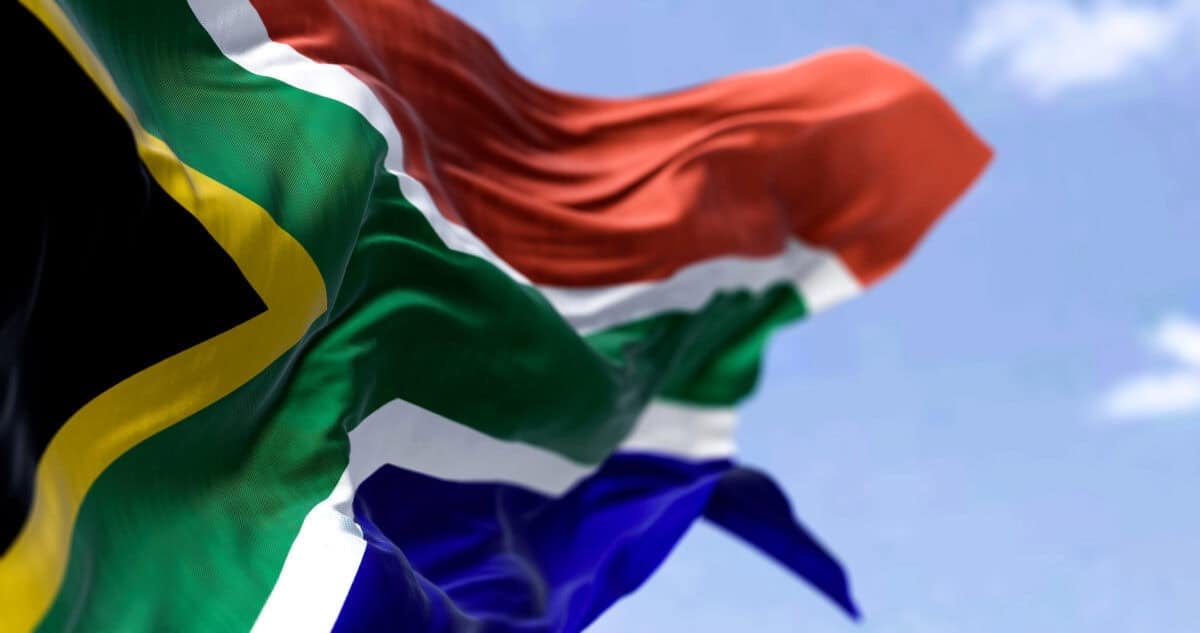
South Africa is currently experiencing a period of significant political uncertainty and governance challenges. While many citizens feel frustrated by the current state of affairs, experts suggest that the country’s democratic foundations remain more stable than those of some of its neighbors.
Recent reports highlight that while South Africa’s political climate is often described as chaotic, the country continues to maintain its democratic institutions. This stands in contrast to recent developments in other parts of the continent, such as Zambia and Uganda, where democratic processes have faced much more severe pressure.
In these neighboring nations, political freedom and the strength of government institutions have declined rapidly. Observers note that these situations serve as a reminder of how quickly democratic rights can be restricted when institutions are not protected.
For South Africans, these comparisons offer a new perspective on the local political landscape. Although the country faces urgent issues like service delivery, economic growth, and political disagreements, the ability to debate these topics openly remains a key feature of the nation's democracy.
Ultimately, while South Africa must address its internal governance struggles, it continues to operate within a constitutional framework that protects the rights of its people. Maintaining this stability remains a priority for the country as it navigates its complex political future.