Lessons for Johannesburg: Can Colombia’s Medellín offer a path to stability?
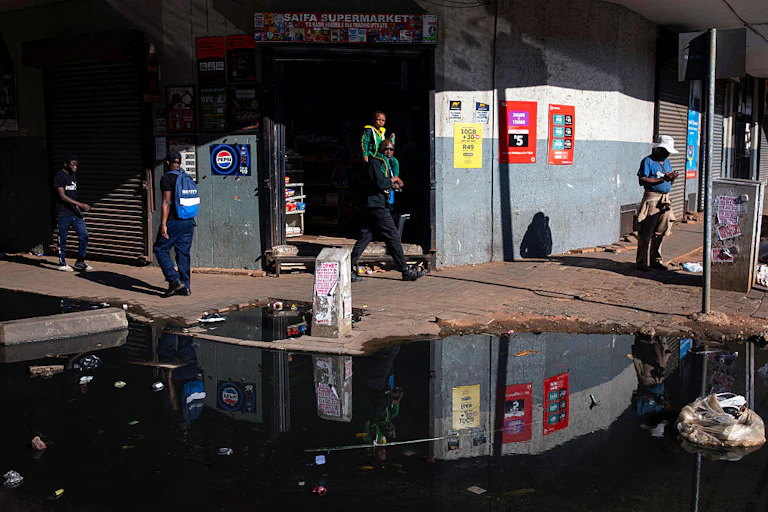
Johannesburg, South Africa’s largest city, is currently facing significant challenges that threaten its future. Experts describe the city as "broken," citing issues such as poor financial management, a high wage bill, and unstable political coalitions. These problems have led to frequent changes in leadership, making it difficult for the city to provide consistent services to its residents.
To find solutions, urban planners are looking toward Medellín, Colombia. Once known for high levels of violence and instability, Medellín transformed itself into a model of urban success. The city focused on improving public transport, investing in education, and creating better public spaces in poorer neighborhoods. By connecting isolated communities to the rest of the city, Medellín was able to reduce crime and boost its economy.
For Johannesburg, the lessons from Colombia highlight the importance of long-term planning and political stability. Currently, the constant turnover of mayors in Johannesburg prevents the city from finishing long-term projects. Analysts suggest that if the city can create a more stable government and focus on infrastructure, it could begin to recover from its current financial crisis.
While the situations in the two cities are different, the core problems of governance remain similar. Johannesburg’s leaders are now under pressure to reform financial controls and prioritize the needs of the public over political disagreements. By studying the successes of international cities like Medellín, South African officials hope to find a way to restore order and growth to the City of Gold.