South Africa Faces Rise in Hung Councils Ahead of 2026 Local Elections
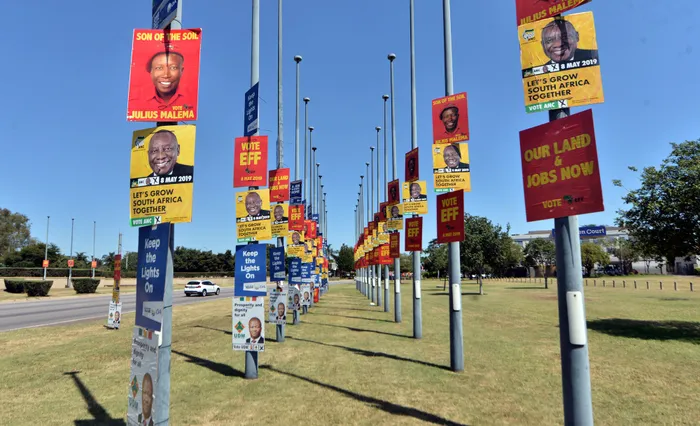
South Africa is preparing for the 2026 local government elections, but experts are raising concerns about the future of municipal stability. A new report suggests that the country’s political landscape is becoming increasingly fragmented, which could lead to a significant rise in the number of hung councils.
A hung council occurs when no single political party wins a majority of the seats in a local government. When this happens, parties must form coalitions to govern. While coalitions are a normal part of democracy, the report warns that they can often lead to instability and difficulty in providing basic services to residents.
Political analysts observe that voters are moving away from traditional party loyalty, leading to more diverse representation in local governments. While this reflects a vibrant democracy, it also makes it harder for parties to agree on budgets and long-term development plans. Many municipalities currently struggle with leadership changes and disagreements between coalition partners.
As the 2026 elections approach, political parties will need to focus on how they plan to work with others. For South African citizens, the stability of these councils is essential for the delivery of water, electricity, and waste management services. The coming years will be a critical test for the country’s local political systems.