South Africa Faces Challenges in Addressing Economic Inequality
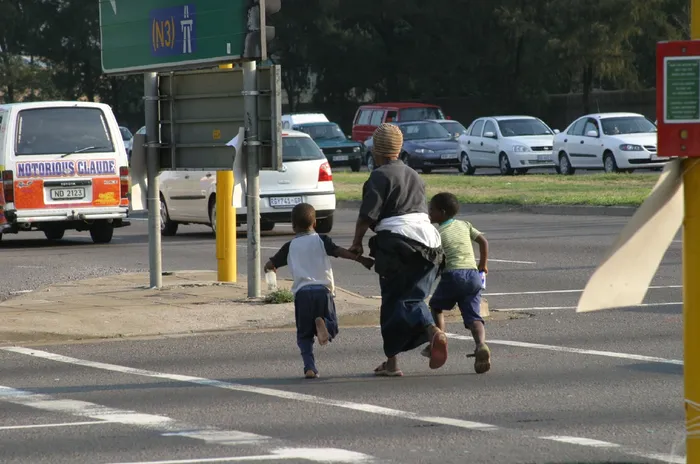
Thirty years after the end of apartheid, South Africa continues to navigate the complex legacy of its past. While the nation successfully achieved political freedom and established a democratic government, many citizens argue that true economic equality remains out of reach.
Economic experts highlight that the country still struggles with high levels of poverty and unemployment. For millions of South Africans, the transition to democracy did not lead to the financial stability or the opportunities that were promised during the fight for liberation.
This ongoing issue, often referred to as 'economic apartheid,' describes a system where wealth remains concentrated in the hands of a few. Many communities still lack access to quality education, reliable infrastructure, and stable jobs, which prevents them from improving their living conditions.
Government officials and private sector leaders are currently debating new policies to bridge this gap. Proposed solutions include increasing investment in small businesses, improving vocational training, and creating more inclusive economic programs to help those who were historically excluded.
As the country looks toward the future, the challenge of creating a fair economy remains a top priority. Addressing these deep-rooted financial disparities is essential for ensuring that all South Africans can participate in and benefit from the nation's growth.