Ramaphosa's Favourable Rating Stands at 34% Ahead of 2026 Local Elections
Published
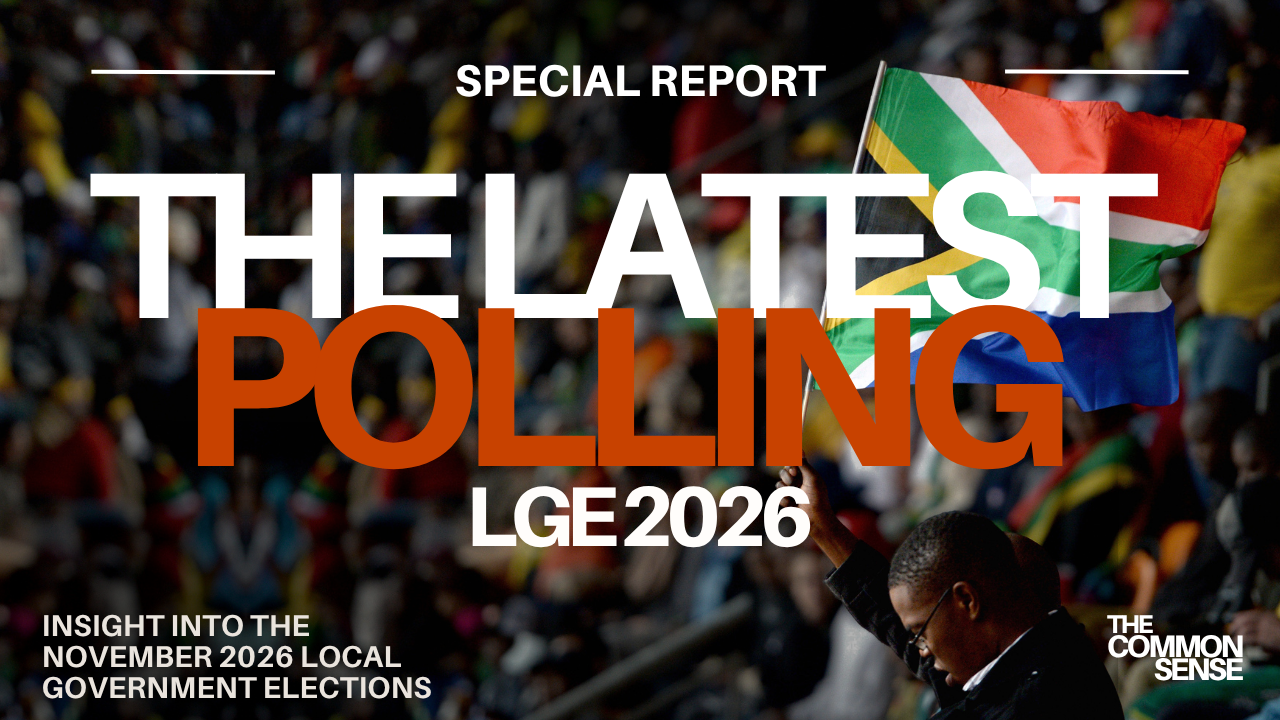
South Africa's local government elections are expected in 2026, and new opinion polling is giving an early picture of how voters feel about the country's leaders. A recent poll tracks the public opinion of President Cyril Ramaphosa over several years, from 2022 to 2026.
According to the latest figures, 34% of respondents view Ramaphosa favourably. The poll also measures unfavourable opinions, which are reported separately. The results show how the President's public image has changed over time, although the full data set has not been included in the summary available for this report.
Local government elections are important because they choose the councillors who run municipalities. These local representatives are responsible for services such as water, electricity, waste collection and local roads. For this reason, many analysts watch national opinion polls as an early signal of how political parties may perform at the local level.
It is important to remember that a single poll gives only a snapshot of public opinion at one moment. Voter preferences can change as the election date gets closer, and different polling companies may use different methods. Readers who want to follow the 2026 elections should check future polls and the official results from the Electoral Commission of South Africa.
Sources: The Common Sense
More South Africa news
- PointFive Expands into Africa Through Partnership with Blue Turtle Technologies
- South African Billionaire Co-Founds Tech Company Created in 24 Hours
- Amazon Hopes to Help South African Small Businesses Sell More Online
- South African Startup Wills & Trust Raises Angel Funding for AI-Powered Will Drafting
- ANC and DA Could Together Govern Most of South Africa's Municipalities
- ANC Support Falls in Local Elections as Debate Grows Over South Africa's Political Direction
- Helen Zille Refuses to Withdraw From Johannesburg Mayoral Race as Coalition Talks Begin
- Could Random Selection Replace Elections? A New Debate on Democracy