Michaelhouse: South Africa's Famous 130-Year-Old School Reports 100% Matric Pass Rate
Published
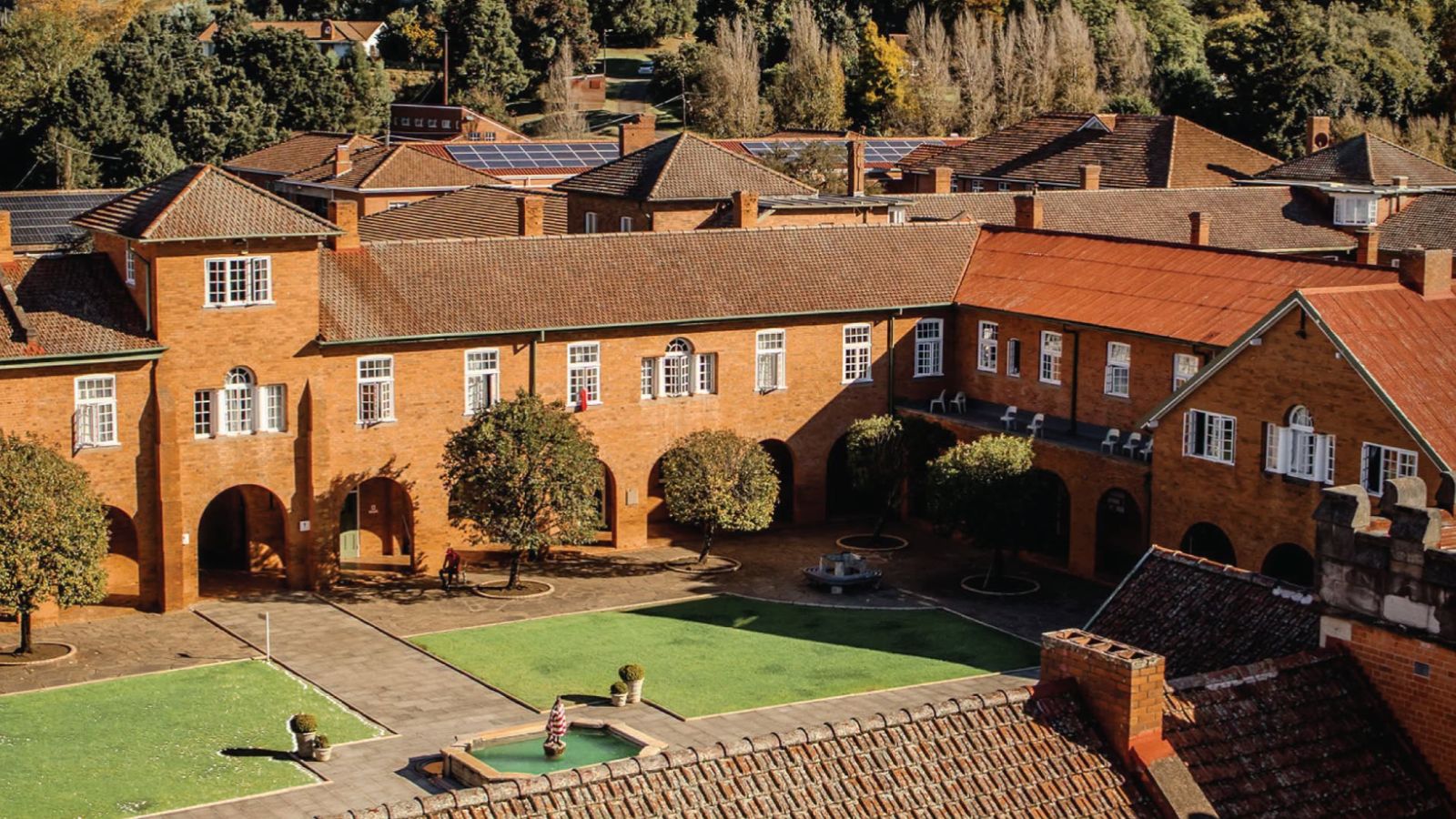
Michaelhouse is one of South Africa's best-known private schools. It is hidden in the Midlands Meander, a scenic route in KwaZulu-Natal known for its hills, farms, and countryside. The school has a long history of more than 130 years, and many people in the country recognise its name.
The school has become famous for its academic results. According to a recent report from BusinessTech, Michaelhouse achieved a 100% pass rate in the matric exams, the final national examinations for high school students in South Africa. Matric results are closely watched by families, universities, and employers, so such a high pass rate attracts a lot of public attention.
The school is also known for its high costs. BusinessTech reported that the school charges around R2 million for a child's education, which makes it one of the most expensive schools in the country. The school has also received several awards and accolades over the years, which add to its reputation.
In conclusion, Michaelhouse remains one of the most talked-about private schools in South Africa. Its long history, strong exam results, and high fees make it a popular subject of discussion. Parents who are interested in private education may want to look at the school's official information for more details about admissions and fees.
Sources: BusinessTech
More South Africa news
- PointFive Expands into Africa Through Partnership with Blue Turtle Technologies
- South African Billionaire Co-Founds Tech Company Created in 24 Hours
- Amazon Hopes to Help South African Small Businesses Sell More Online
- South African Startup Wills & Trust Raises Angel Funding for AI-Powered Will Drafting
- ANC and DA Could Together Govern Most of South Africa's Municipalities
- ANC Support Falls in Local Elections as Debate Grows Over South Africa's Political Direction
- Helen Zille Refuses to Withdraw From Johannesburg Mayoral Race as Coalition Talks Begin
- Could Random Selection Replace Elections? A New Debate on Democracy