Reflecting on Nelson Mandela’s Vision for South Africa
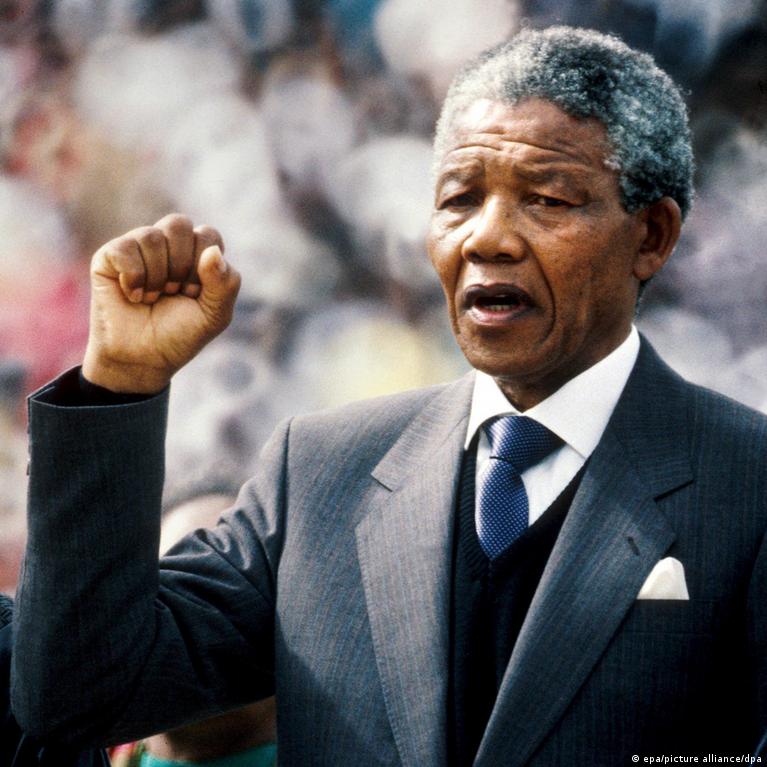
Every year on July 18, South Africans celebrate Mandela Day to honor the legacy of the country’s first democratically elected president. This day is meant to inspire individuals to take action and help change the world for the better, reflecting Nelson Mandela’s lifelong commitment to service and justice.
However, as the country marks three decades since the end of apartheid, many citizens are reflecting on the current state of the nation. While significant progress has been made since 1994, there is a growing conversation about whether the vision Mandela had for a united and equal South Africa has been fully achieved.
Today, South Africa continues to face serious social and economic challenges. High levels of inequality remain a major concern, affecting the daily lives of millions of people. Additionally, issues such as xenophobia and anti-migrant sentiment have become more visible, creating tension within communities that were once encouraged to embrace the 'Rainbow Nation' ideal.
Many experts and citizens argue that while the political transition was successful, the economic transformation has been much slower. The gap between the rich and the poor remains one of the largest in the world, leading to frustration among those who feel that the promises of democracy have not yet reached them.
Despite these difficulties, Mandela Day remains an important time for South Africans to come together. It serves as a reminder of the values of reconciliation and unity that Mandela stood for, encouraging people to work toward a future that better reflects his dream of a fair and prosperous society for all.